 EN
EN  ZH
ZH Continuous vehicle maintenance requires proactive preventative measures to reduce downtime, potential accidents, and emergency repair costs. To achieve this, you need advanced technological tools that can streamline the process.
Today, we will guide you through everything you need to know about fleet maintenance and management, and provide you with...Tools needed to overcome common vehicle performance challenges.
In this article, you will:
- Understanding the main objectives of fleet maintenance and repair management
- Understanding the work of fleet maintenance managers to improve operations
- exploreCartrack preventative maintenance toolsTo meet your fleet's needs
Core functions of fleet maintenance and repair management
The purpose of fleet maintenance management is to ensure a well-structured maintenance program to extend fleet lifespan, improve reliability, and enhance operational efficiency. This is achieved through the following methods:
- Preventive maintenance and regular upkeep
Preventive maintenance refers to a strategy that follows a maintenance schedule and performs inspections to identify potential problems before they cause malfunctions. This approach ensures that the vehicle remains in good condition, andReduce the likelihood of unexpected breakdowns and sudden major repair costs.
- Managing Faults and Emergency Repairs
Managing emergency failures requires quick thinking, clear communication, and efficient processes. Fleet managers must develop and communicate clear procedures for drivers to follow in the event of a failure, such as who to contact, relevant documents, and safety measures. All incidents are logged and analyzed to identify trends and preventable failures.
- Monitoring vehicle performance and diagnostics
Digital solutions have greatly advanced modern fleet maintenance and repair.Remote information systems technology enables you to obtain real-time diagnostics of important matters.This includes information such as engine health, brake condition, and fluid levels. This powerful tool provides immediate reports before vehicle malfunctions worsen, enabling fleet managers to take swift action.
- Data-driven decision making using remote information systems
The fleet maintenance system also tracks vehicle mileage, fuel usage, and maintenance history, giving you a deeper understanding of vehicle usage and performance, thereby optimizing fleet utilization and ensuring proper resource allocation.
How can fleet maintenance managers improve maintenance operations?
The fleet maintenance manager's responsibilities include overseeing the maintenance and upkeep of the company's fleet. He/she is required to ensure that all vehicles operate safely and efficiently, and in compliance with all applicable regulations.
Is the job stressful for fleet maintenance and repair managers?
This position involves managing a team of mechanics and technicians, scheduling regular maintenance, coordinating repairs, maintaining accurate records, and implementing cost-effective strategies to improve fleet uptime and reduce expenses.
They also have to manage budgets for parts, labor, and external services; find suppliers and negotiate parts and services. In addition, they need to train their employees on maintenance procedures and safety protocols.
Without the assistance of advanced technologies such as remote information systems, completing these tasks within strict deadlines could be extremely challenging and stressful.This is why all fleet companies need to invest in software that helps track these activities.
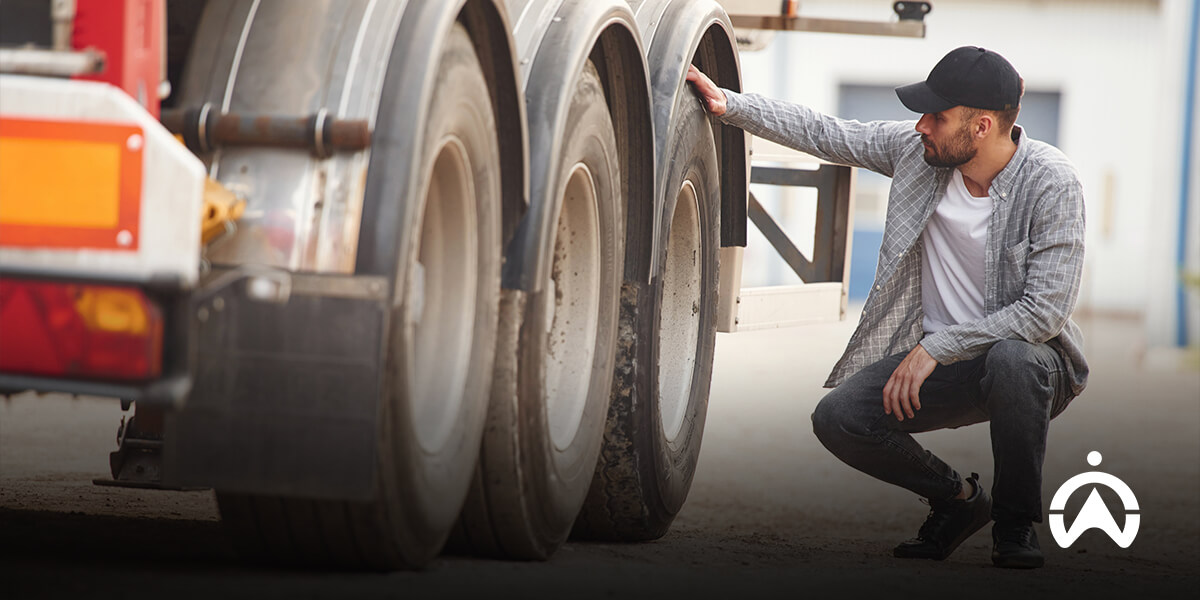
The difference between fleet management and fleet maintenance
Fleet management and fleet maintenance are related but distinct concepts in vehicle operation.fleet management It covers all aspects of fleet management. On the other hand, fleet maintenance management only covers one aspect of fleet maintenance: vehicle health and performance.
Here is a quick overview of the key differences between fleet management and fleet maintenance:
- High-level and routine vehicle maintenance:The fleet manager operates at a high level, overseeing all matters involving the fleet.They analyze extensive data to improve overall efficiency and reduce costs. Fleet maintenance focuses on routine vehicle maintenance, including vehicle inspection, record keeping, and inventory management.
- A broader scope of fleet management: Tasks include assigning vehicles to operators, tracking vehicle usage and maintenance, monitoring vehicle location, and planning routes.
- The intersection of the twoBoth overlap in terms of cost control and efficiency; both useRemote Information SystemTo gain insights into the fleet and collaborate on reducing operating costs and overall safety and compliance.
Case Study: Wisane Burial Society
Whether you manage a small fleet of delivery vans or a large freight and delivery company, ensuring your vehicles are in good working order can have a significant impact on your bottom line.
Therefore, you need a strategy that focuses on all aspects of fleet management, including maintenance.
Let's see how Cartrack's fleet maintenance and overall fleet management system assists the Wisani Burial Society.:
Wisani Burial SocietyThis is a funeral service company that prides itself on affordable prices. Leveraging the efficiency of its fleet, the company provides high-quality, reliable funeral services throughout a wide area of the country.
Timely delivery is a top priority for Wisani Burial Society, and given the sensitivity of the goods they transport, obstacles such as hot weather, traffic congestion, and breakdowns can have a significant impact. They need a system that can help them locate each vehicle in their fleet in real time, avoiding delays and downtime to meet customers' timely needs.
We offer assistance in three simple ways.:
- During peak periods, the Wisani Burial Society can simultaneously monitor the movements of over 300 vehicles from the control room via Cartrack's network platform. This provides them with complete visibility into their fleet, allowing controllers to know the exact location of each vehicle at any time to track productivity and work completion, and to dispatch assistance immediately in case of malfunctions to avoid delays.
- The Wisani Burial Society employs regional administrators who use the Cartrack mobile app to view the exact location of drivers in their area anytime, anywhere, and determine whether a driver has arrived at the funeral home or is experiencing a delay. With this information, regional administrators can make calls and seamlessly communicate with drivers and customers regarding job changes or delays.
- Through Cartrack's real-time vehicle diagnostics and scheduled maintenance, their routine and emergency maintenance can be handled more efficiently. By understanding which vehicles require maintenance and when, Wisani can optimize vehicle use and reduce unnecessary downtime and breakdowns.
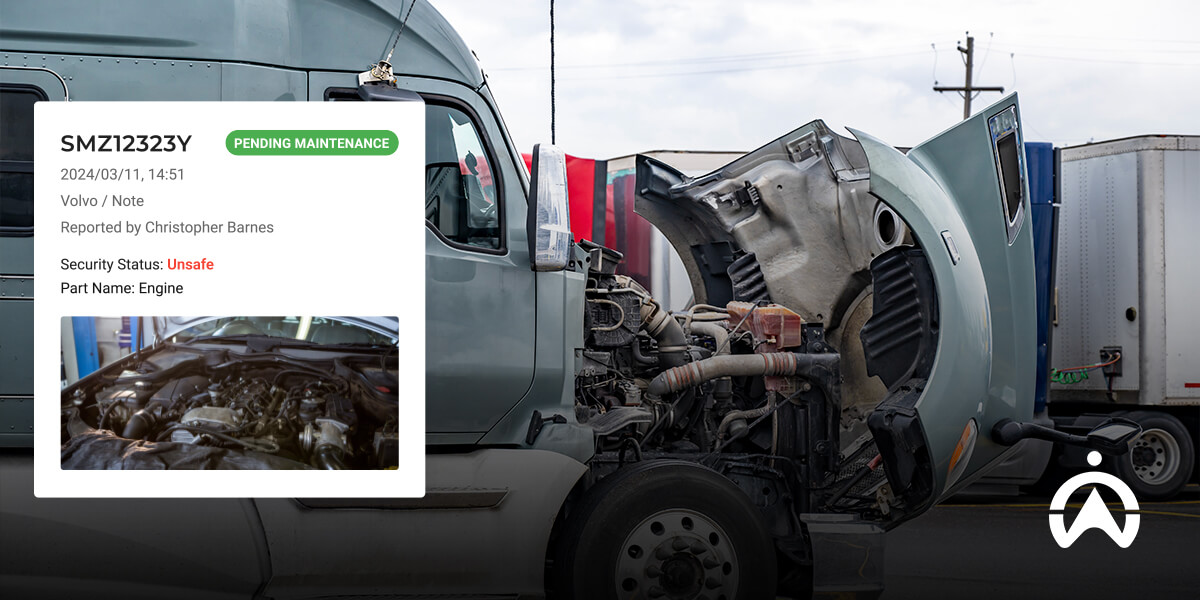
Investing in Cartrack's smart repair and maintenance tools
Unforeseen vehicle breakdowns can severely disrupt workflows, potentially leading to delays, missed deadlines, customer dissatisfaction, and increased costs. The case studies above demonstrate the significant impact a good fleet management system can have on business. Cartrack focuses on everything related to fleet management, providing you with fleet insights through a single platform.
Learn about our top features for maximizing fleet health.:
- Instant engine diagnostics: Cartrack CANbus systemEnables real-time communication between various vehicle components. This feature allows you to receive alerts for engine malfunctions, coolant level fluctuations, brake wear, and other diagnostics. This ensures you are aware of any issues with vehicle components and can address them before they escalate. By investing in this tool, you can minimize the likelihood of costly unexpected failures that could result in business losses and downtime.
- Preventive maintenance schedule: Receive maintenance alerts based on real-time odometer readings or the last maintenance date.This allows you to know in a timely manner when the next batch of vehicles needs maintenance, so you can plan your schedule accordingly based on available vehicles. This feature lets you address issues like tire changes before they catch you off guard.
- Digital maintenance and repair records: Our fleet system helps you digitally store, record, and update maintenance and repair-related activities, allowing you to easily access and report them.
- Driver monitoring report: Fleet maintenance and upkeep are also crucial for ensuring vehicles are handled with care. This is achieved through the Cartrack remote information system.You will receive alerts about driving habits that increase the likelihood of vehicle wear and tear.Examples include sudden braking, excessive acceleration, speeding, and sharp turns. This allows you to discuss these behaviors with drivers and educate them about their effects.
Make sure your fleet is always in top condition!Contact us now!I spoke with one of our team advisors.
FAQ's
Q: What is the role of fleet services?
A: Fleet services are resources offered by leasing and management companies to help them streamline, maintain, and manage their operations. Their responsibilities include vehicle selection, fleet procurement, obtaining appropriate insurance, maintenance, fuel cost management, licensing compliance, equipment leasing, compliance, and data analytics.
Q: What is the role of maintenance and repair in fleet planning?
A: Planning your fleet's maintenance and upkeep in advance ensures your business remains reliable, andReduce the possibility of unforeseen downtime.This also controls the cost of repairs and replacements, because you will know these costs in advance, instead of using funds that were never included in the budget.
Q: What are the main objectives of fleet management?
A: The primary objectives of fleet management are to improve fleet efficiency and productivity, enhance driver safety, and reduce overall operating costs to increase profits. The best way to achieve this is to fully utilize…Fleet management software gains insights and makes better decisions.
Q: What is asset management in maintenance and repair?
A: While fleet maintenance typically relates to vehicles, the term "fleet" can also refer to a group of equipment, machinery, and assets requiring maintenance. Examples include excavators, bulldozers, and cranes. Asset management within maintenance is a proactive way to optimize company assets.
Q: What are the responsibilities of a fleet workshop manager?
A: The fleet workshop manager is responsible for monitoring and controlling costs related to labor, parts, and equipment, identifying opportunities for cost savings and efficiency improvements, and must drive efficiency and productivity within the workshop.