 EN
EN  ZH
ZH How does telematics affect fleet insurance?
Car insurance prices in Hong Kong are rising. This is due to increased costs of replacing parts and repairing vehicles, primarily driven by inflation. Insurance companies need to account for increased claims payouts, and therefore, these costs are being offset by higher premiums.
Insurance costs can make up a large portion of operating a fleet, so it is important to minimize these costs as much as possible.
Telematics helps insurance companies assess and price risk; it's also key to saving on premiums. Today, we explore how telematics impacts fleet insurance and how investing in a fleet management system can reduce claims and thus lower your premiums.
In this article, you will:
- Understanding the connection between telematics and insurance
- Learn how insurance companies use telematics to assess your fleet.
- Discover Cartrack SolutionHow will this help reduce the risk your fleet poses to your insurance company?
The link between telematics and insurance
As the world continues to experience innovation and technological advancements, the insurance industry is embracing this transformation by leveraging telematics technologies. Insurance companies are now using this powerful technology for risk assessment, pricing, and claims management.
To better understand, you first need to knowHow does telematics work?Telematics involves tracking and monitoring vehicles via navigation systems, sensors, and sometimes cameras. This tool typically takes the form of GPS-enabled devices installed in the vehicle to collect data. These devices provide a wealth of data about driver behavior, vehicle usage, vehicle health, and location. This information is crucial for insurance companies to more accurately assess risk.
How insurance companies use telematics data
Insurance companies use telematics to collect data on driving habits (such as speed and sudden braking) to determine risk levels, create fleet profiles, and set premiums. The open sharing of telematics data builds trust between fleet owners and insurance companies, ensuring more accurate and fair pricing based on actual driving behavior.
The fleet insurance company assesses the contents to determine the premium.
Commercial vehicle insurance requires insurance companies to understand the operational needs of the vehicles. Insurance companies conduct thorough assessments of the entire fleet, considering its unique needs and associated risks. In an article on FAnews, PSG's Head of Distribution, Karen Himmer, stated that fleet insurance should not be viewed as a "one-off" or "static" agreement. Instead, policies should be updated and reviewed regularly to ensure that the level and nature of coverage evolves as the fleet grows and develops.
Here are some factors that fleet insurance companies consider when determining your premium:
- Number of vehicles:The larger the fleet, the higher the likelihood of a claim. However, insurance companies typically offer larger fleets more discounts because management costs are lower, as they usually use a single risk profile to calculate premiums instead of having to assess the risk of each vehicle individually.
- Usage and Mileage:The more time vehicles spend on the road, the greater their risk of accidents and the more wear and tear they experience. Therefore, insurance companies want to know...How far does the vehicle travel each day?.
-
- Travel Area:Vehicles traveling across borders incur higher insurance premiums due to risks associated with operating abroad.High-risk areasVehicles that are in operation will attract higher insurance premiums.
- Vehicle type and value:Assess the age, condition, model, and brand of the vehicles, as well as the current cost of each vehicle.Some vehicles are riskier than others..
- Driver's record:More experienced drivers can reduce the chance of accidents. Therefore, insurance companies will also check the types of drivers in your fleet.
- Claims history:Companies that make frequent claims are more likely to pay higher premiums.
- Types of goods transported:Insurance companies typically cover the value of the transported goods. If the value is high, the fleet's risk increases. Taxi and shuttle bus services should have liability insurance when transporting passengers due to the risk of personal injury and death.
The existence of safety measures:EquippedTracking devicesA fleet with telematics capabilities can reduce accident risk, thereby reducing claims. This results in lower premiums.

The main ways in which telematics affects fleet insurance
Telematics impacts fleet insurance in several ways. Here are four of the most influential:
- Based on the insurance options used
Pay-per-driving or pay-per-mode models are growing in South Africa. Use-based insurance refers to insurance companies using telematics data to tailor premiums, potentially leading to savings—the better the driver's behavior, the greater the chance of a lower premium.
- Improved risk assessment
Telematics data provides insurance companies with in-depth information about vehicle location, road conditions, and safety levels. This enables more customized and equitable premium pricing.
- Accident mitigation
Monitoring driver behavior and vehicle condition means fleet managers can quickly identify unhealthy driving patterns and mechanical problems. This enables them to...Accident caused by driver and vehicleActions were taken previously.
- Faster claims resolution
Because telematics devices can detect driving habits and impacts, companies can use accurate data to prove their innocence in fraudulent accident claims. This speeds up the claims process and reduces delays caused by disputes.
Using fleet technology as a risk management tool
As mentioned above,Invest in fleet management softwareThis is the best way to mitigate risk and thus reduce insurance costs.
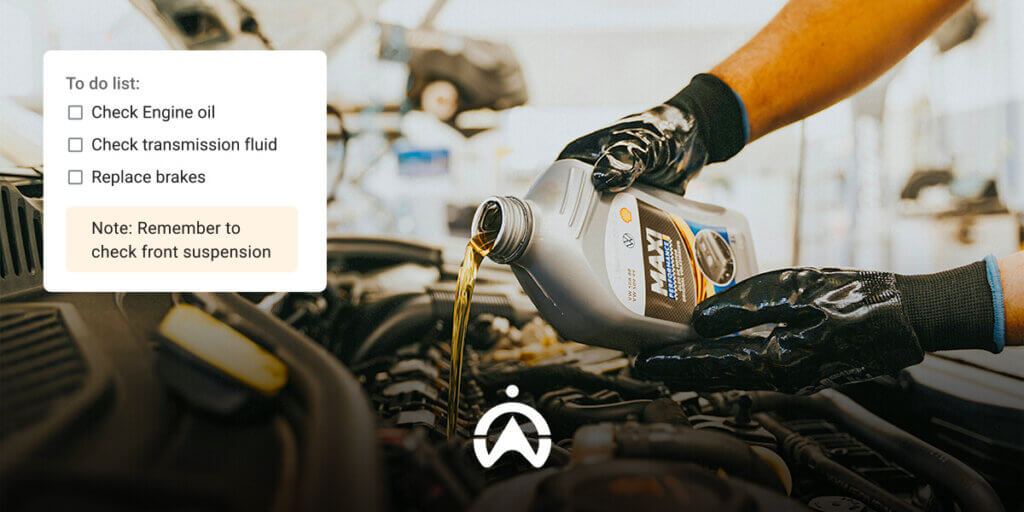
- Preventive maintenance:Fleet Management System AlertReport maintenance issues to administrators,This allows them to schedule maintenance before problems escalate, avoiding unplanned downtime and costly repairs. This information reduces fleet costs while minimizing fleet safety risks.
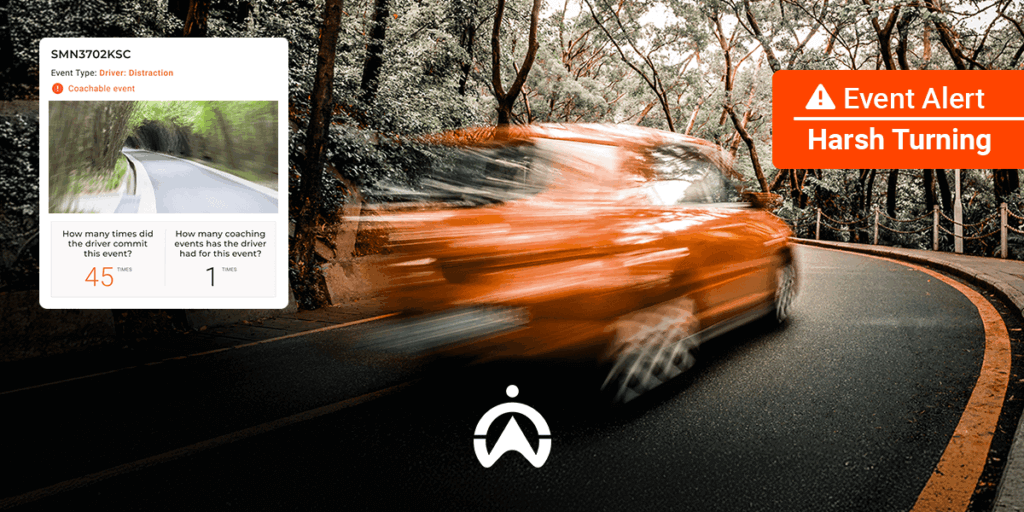
- Driver behavior alert:Real-time alerts and reports on driver behaviorAllow managers and supervisors to resolve issues and send fleet operators for training based on their specific needs.
- Route monitoring:GPS tracking technology enables fleet coordinators to track in real time.Deviation detectedAnd when the driver is in a high-risk area or an accident-prone area. This allows them to contact the driver and check if there are any problems.
Data protection and PDPO compliance in telematics
Telematics systems collect a large amount of sensitive business information. Data security is a critical aspect of fleet management software; therefore, your fleet data should always be protected. Insurance companies must comply with Hong Kong's Personal Data (Privacy) Ordinance (PDPO) when accessing your telematics data. Data must not be misused or shared without authorization, and transparency regarding the collected data is essential. This ensures your fleet records are not shared with third parties.
Case Study: Preventative Maintenance Measures for Concord Cranes
The key to better insurance rates is fleet maintenance and driver monitoring. Here's how we achieve this.Our preventative maintenanceThe true story of measures to assist Concord Cranes:
Concord Cranes is a company specializing in crane rental solutions. They offer mobile crane rental, professional rigging, transportation, and professional lifting projects from 15 locations.
They often find it difficult to accurately record the working hours of each crane, which makes maintaining the cranes and delivering them to customers on time challenging.
How Cartrack has an impact:
- Cartrack's telematics equipment and dedicatedPower output sensorThis allows Concord Cranes to accurately monitor its cranes' field operating hours, mileage, and which equipment is being used. This data enables them to track crane condition and usage, allowing them to develop preventative maintenance plans for their customers and extend fleet life.
- Cartrack's fleet management system, with its preventative maintenance insights, helps Concord Cranes reduce maintenance costs by minimizing the number of cranes sent for expensive, fault-related repairs. This also...Reduced unplanned downtimeTo provide routine services.
- Concord Cranes also uses Cartrack's fleet management and maintenance system to enhance the customer's overall brand reliability, ensuring their cranes are always safe and operational. Furthermore, detailed maintenance plans reduce the number of unexpected breakdowns and allow for proactive planning of crane availability and deliverability for the customer.
“Using Cartrack’s advanced fleet management, we are able to improve operational efficiency, provide better service to our customers, and easily establish maintenance cycles that reduce costs and extend fleet life.” | Gareth Langley, Operations Manager, Concord Cranes
Enhance your fleet insurance with Cartrack's advanced solutions.
Businesses can reduce their insurance rates,By implementing robust risk management practices and maintaining a strong safety record, Cartrack offers services that contribute to safe driving, vehicle maintenance, route planning, and vehicle recycling. Here's how they work:
- Maintenance and scheduling
Our fleet system allows you to set reminders for vehicle service dates.,This ensures your vehicle is always in optimal condition, and you can plan your downtime in advance. Additionally, you'll receive real-time alerts for engine malfunctions, worn brake pads, oil and water fluctuations, and other diagnostics.
- Risk management (stolen vehicle recovery)
At Cartrack, we boast an impressive fleet of over 100,000 vehicles over the past decade. We have a large team of skilled recycling agents across the country, along with control room service available 24/7. In the unfortunate event of a stolen vehicle, our team is always ready to retrieve what's rightfully yours. Stolen vehicle recycling is also one of the services strongly recommended by insurance companies.,Especially for fleets transporting high-value goods,Some insurance companies even refuse to underwrite without this service.
- Driver monitoring
Ensuring driver safety and monitoring how they operate fleet vehicles is one of the best ways to avoid frequent insurance claims. Our telematics equipment provides...Reports and alerts regarding driving behavior,Examples include excessive idling, speeding, sudden braking, sharp turns, and rapid acceleration. This allows you to identify dangerous driving patterns, address them with the driver, and send them for training.
As an additional precaution, you can investOur AI-powered cameraThese cameras monitor drivers. They can detect when a driver is distracted, using a mobile phone, feeling drowsy, or smoking. The system then issues an audible alert so the driver can quickly correct their behavior. In this way, drivers can avoid collisions that could be fatal or result in substantial insurance claims and repair costs.
- Real-time tracking
Cartrack fleet system allows you to track the location of fleet vehicles at any time to ensure that drivers are using the correct routes and that they are safe.
- Geofencing
Cartrack geofencing featureEnsure the driver always stays within the designated area. This software allows you to create virtual boundaries around areas of your choice and receive alerts when a vehicle enters or leaves these areas. This ensures you always know when your vehicle is in a high-risk area, which could indicate theft or deviation.
- Route optimization
Our route optimization featureIt's a smart tool that helps plan your route so you can choose the most efficient way for your driver to get to their destination. This is done by analyzing road conditions and traffic patterns, helping to avoid delays, reduce mileage, and minimize exposure to extreme road conditions that increase vehicle wear.
Improve your fleet maintainability with Cartrack's data-driven management tools
Insurance is essential, and so is a fleet management system. Our solution gives you a better understanding of your fleet, allowing you to make more informed decisions and help you avoid higher insurance rates.Contact us todayAnd unlock fleet savings!
Frequently Asked Questions about Telematics and Insurance
Q: What is telematics in fleet management?
A: In one of our blog posts, we explained...Telematics is a system used to collect GPS fleet tracking data and a range of vehicle-specific information and store it in a database.It integrates wireless telecommunications and information technology (informatics) to process and deliver actionable data and efficiently transmit information over vast networks.”
Q: How does the black box affect insurance?
A: A black box is a remote information processing device that tracks driver behavior, such as speeding, sharp turns, and braking patterns. Insurance companies use it to accurately assess driver risk and determine insurance rates.
Q: What types of insurance use telematics to help make decisions about premiums?
A: UBI (Usage-Based Insurance) is a type of insurance where the insurance company uses telematics to determine the premium. They track mileage, speed, time of day, braking patterns, and acceleration. This information is then used to tailor a monthly premium for your vehicle. For example, someone who works from home might argue that they hardly use their vehicle and therefore should pay less. UBI makes this possible through telematics.