 EN
EN  ZH
ZH - Use telematics and GPS tracking to monitor various indicators.
- Keep your vehicle maintenance plan up-to-date
- Adopt fuel monitoring solutions to better manage fuel.
- Provide ongoing training for your drivers
- Plan better routes between construction sites
- Optimize fleet size to meet your needs
- Regularly review your key performance indicators (KPIs).
Fleet efficiency is crucial for construction fleets as it directly impacts project schedules, safety, and costs. Without sound strategies and the right techniques, your business will face challenges such as high fuel costs, downtime, and poor driving habits, all of which affect the health of vehicles and equipment. According to Future Market Insights Research shows that companies are increasingly investing in AI-powered predictive analytics, Internet of Things (IoT) sensors, and mobile platforms to enhance fleet monitoring efficiency. To stay ahead of the competition, you need effective methods, which is why we're here to provide improvements.Construction vehicle fleet operationSeven methods.
Key points:
- Using telematics and GPS tracking can help you locate your vehicles and equipment and improve productivity.
- Regular maintenance and alerts from the fleet system can prevent malfunctions and extend vehicle life.
- Fuel management and driver training can save money, reduce waste, and improve safety.
- Route planning, fleet size optimization, and performance analysis ensure efficient fleet operation.
7 Key Strategies to Improve Construction Vehicle Fleet Efficiency
These 7 strategies work together to help reduce costs, minimize downtime, and ensure your construction fleet operates at its best. Here is a detailed explanation of each point:
1. Implement remote information processing and GPS tracking
Telematics resources have become an integral part of construction fleet management, as most companies now turn to data-driven decision-making to increase operational efficiency. This technology allows you to monitor the location of vehicles, equipment, machinery, and other tools.This helps prevent theft and simplifies resource location.You can also observe employee productivity, such as whether the equipment is actually running or idling most of the time.
2. Schedule regular maintenance.
The performance of a fleet depends on its maintenance condition; by utilizing telematics technology, you can...Digitize maintenance-related tasksBy utilizing the fleet system's reminder function, you can set reminders based on the manufacturer's recommended service intervals to schedule services and plan your trips in advance. Furthermore, you'll receive early warnings of maintenance needs, identifying potential problems before mechanical failures occur, thereby improving safety and extending vehicle lifespan.
3. Employ a fuel management system.
Add to the team softwareFuel Management SystemIt monitors the usage of each vehicle and device. The system includes hardware and software tools to help improve fuel efficiency and reduce costs.Monitor fuel cards and flag fraudulent activitiesWith the addition of a fuel level sensor, you can quickly detect a sudden drop in fuel level in the tank, which is usually a sign of fuel theft or leakage.
4. Train drivers for efficiency
Regular training leads to better driver performance. You must educate drivers about the behavioral impacts of fuel costs and vehicle health, including defensive driving, vehicle safety checks, equipment operation, and the use of fleet software. Better driving behavior improves safety and compliance, reduces operating costs, and decreases accidents.
5. Improve task and route planning between construction sites.
Poor planning between warehouses, suppliers, and construction sites leads to wasted time and fuel. Using route optimization software to plan stops ensures vehicles arrive on time and complete tasks quickly without sacrificing quality. This also reduces last-minute detours, lowers driving stress, and reduces extra fuel costs.
6. Optimize fleet size and equipment allocation
「Right-sizing"Your fleet means ensuring that the number of vehicles and equipment matches your operational needs. Assessing fleet size is crucial; you may find that insufficient numbers lead to overuse of equipment, or that excess numbers necessitate downsizing to save costs."
7. Monitor and analyze key performance indicators.
Measuring a team's performance requires regularly checking key metrics, such as:
- Total Cost of Ownership (TCO)
- Fuel cost per route
- Vehicle utilization rate
- Maintenance costs
- downtime
- driving behavior
When you haveFleet management softwareIn this context, these analyses become very simple because they provide detailed data on various operational aspects.
Explore our fleet management solutions
Our solutions elevate your construction fleet to the next level by providing detailed operational insights and asset protection. We offer GPS trackers, preventative maintenance alerts, and fuel monitoring systems to help you reduce costs and increase productivity.
Real-time vehicle GPS tracking
Monitor the location of vehicles and machinery at all times to ensure assets are not lost and ensure drivers arrive on time. You can also receive reports about excessive idling or unsafe driving habits.
Tracking of unpowered assets
For equipment without power sources, such as trailers, storage containers, and portable toilets, we offer dedicated trackers to prevent theft and save time searching for the equipment. We offer three models:
-
- Asset TrackerInstalled on assets such as trailers, with a lifespan of up to four years, requiring replacement twice daily.
- Track & GoPortable magnetic devices that can be moved at any time, providing real-time location and remote information processing data, suitable for equipment rental.
- TAGPermanently installed equipment that provides radius-based location data, suitable for tracking industrial equipment on large construction sites, requiring no charging.
Geofencing
Creating virtual boundariesIt receives alarms when vehicles enter or leave specific areas (such as construction sites) to ensure that the equipment is not moved without authorization and to monitor arrival time.
Power take-off (PTO)PTO) sensor
Monitor engine activity, distinguish between active operation and inactive idling, optimize operation and save fuel.
Preventive maintenance and management
Preventive maintenance solutions
Add suggested service dates to the platform to receive reminders and avoid missing maintenance. You can also create a digital [service/service].Vehicle Inspection ChecklistThis allows drivers to use it before and after their trips to detect damaged parts early.
Fuel Management
use MiFleet It monitors fuel consumption with fuel probes. The system flags unusual activity (such as discrepancies between mileage and fuel consumption) and issues alerts for sudden drops in fluid levels (fuel theft or leakage).
Driving Management:
- Driver recognition (DID) LabelEnsure that only qualified personnel can start specific machines or vehicles.
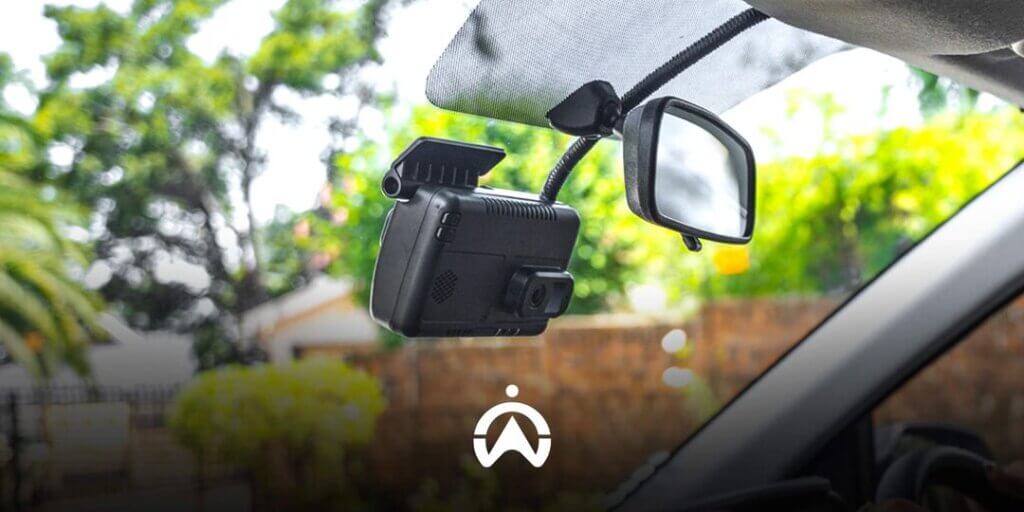
- AI Multi Vision Camera SolutionIt can accommodate up to eight cameras, providing real-time streaming. The in-car cameras can identify distracting behaviors (such as dozing off, using a mobile phone, or smoking) and issue voice alerts to guide the driver to make immediate corrections.