 EN
EN  ZH
ZH CANbus It is the foundation of modern vehicle diagnosis and managementIts operation is like the nervous system of a vehicle. It is a hidden architecture responsible for coordinating the exchange of critical information between various vehicle components, making this unseen force the core driving force of advanced and intelligent fleet management.
In this articleWe will clearly explain what CANbus is, how it works, and why it is key to optimizing fleet management strategies. Furthermore, we will also explain... How Cartrack transforms this fundamental data into practical insights to help you maintain complete control.
In this article, you will:
- Learn what CANbus is and how it works.
- Understanding its role in modern vehicle communication and management
- Explore the advantages of CANbus for fleet performance, maintenance, and safety.
- learn Cartrack How to leverage CANbus to provide smarter insights and stronger control capabilities
What is CANbus?
Controller Area Network bus (CANbus)It is a communication system that enables various components of a vehicle to communicate with each other without the need for a central computer system.It allows these components to continuously exchange data, much like the nervous system of a car, connecting vital parts such as the engine, brakes, transmission, and dashboard.
CANbus was created by Bosch in the 1980s and quickly became the industry standard for in-vehicle networks. Today, almost all modern vehicles use CANbus to support safety features, monitoring, and diagnostics.
Simply put, you can think of CANbus as a group chat room where all the vehicle's components are members. When a component (such as the engine) needs to share critical information (such as fault codes), it sends a message, and other components can immediately interpret and respond.
What does this mean for Cartrack customers?
CANbus, as a hardware add-on, can pair with your vehicle's remote information system to provide access to specific vehicle data, including diagnostic information, fuel consumption, and driving behavior statistics. The accuracy of CANbus data may vary slightly, with an expected error range of up to approximately 10¹TP³T.
How does CANbus work?
At its core, CANbus is an architecture comprised of multiple Electronic Control Units (ECUs) that communicate with each other in real time; each ECU is responsible for a specific function, such as the braking or fuel system. Here's how it works:
- Dual-line architectureCANbus relies on only two wires—CAN High and CAN Low—which are twisted together to reduce electrical interference. This wiring method allows all ECUs to be interconnected, enabling continuous communication.
- Broadcast communicationThe message is broadcast throughout the network, and each ECU listens for messages relevant to itself and ignores irrelevant messages, making communication fast and efficient.
- No central controllerCANbus does not have a central computer to control the components; all ECUs are equal "group members" and can independently transmit and receive data when needed.News.
What data can be retrieved from CANbus?
One of CANbus's major advantages lies in the depth and diversity of the data it provides. When paired with advanced remote information systems, it can deliver highly valuable data insights. Below are some key data points:
- RPM (Rotational Speed Per Minute)This displays the engine crankshaft rotation speed, i.e., the engine operating speed. This helps to understand the vehicle's load level and improve efficiency.
- SpeedIt provides relatively accurate real-time vehicle speed readings, which helps in analyzing driving behavior, fuel consumption, and safety compliance.
- Fuel consumption:trackFuel consumptionIt helps identify trends and anomalies, and optimize fuel and operating costs.
- Braking statusMonitor brake usage to identify emergency braking or component wear patterns.
- aggressive driving behaviorDetects sudden braking and acceleration,Reduce wear and tear and accident risk.
- Fault Codes (DTCs)Recording diagnostic fault codes transmitted by the vehicle when a system malfunction occurs is helpful.To reduce downtime.
- Battery statusTrack battery health and charge levels to avoid potential downtime risks.
Comparison of CANbus and traditional vehicle wiring
Before CANbus, vehicles used point-to-point wiring, requiring each component to communicate via independent lines, resulting in a complex and cumbersome system. CANbus brought about a revolutionary change:
- Fewer linesOnly two wires are needed to connect all ECUs, greatly reducing complexity.
- Easier to expandAdding or modifying components does not require rewiring.
- More reliable transmissionReduce the risk of interference and signal loss.
- Improve fuel efficiencyReduced track length and vehicle weight, improving efficiency.High efficiency and reduced fuel consumption.
Applications of CANbus in vehicles
CANbus connects various vehicle systems, including:
- Engine control
- Transmission system
- ABS and brakes
- Information and entertainment system
- Airbags and Safety Systems
- Remote Information System
Why is CANbus so important to modern fleets?
CANbus makes fleet operations less haphazard, encouraging proactive and preventative management rather than reactive remediation. Its importance includes:
- Precise data collectionProvides a centralized and continuous source of accurate data.
- Early fault detectionDTC can help identify problems early and avoid costly repairs.
- Improve operational efficiencyReal-time data helps make quick decisions, reduce downtime, and improve safety and cost-effectiveness.
How can I confirm if my vehicle has CANbus?
Most vehicles manufactured after 2008 typically come standard with CANbus. Cartrack will also conduct a full evaluation to confirm compatibility. Manual check method:
- Locate the OBD-II port: It is usually located near the dashboard and driver's seat.
- Check the CAN lines: CAN High and CAN Low are usually green and yellow (depending on the manufacturer). Technicians will use diagnostic tools to confirm.
Advantages of using CANbus in fleet management
- preventive maintenanceReceive early fault warningsAvoid unexpected expenses.
- Fuel cost controlReal-time data assistanceIdentify wasteful behaviors.
- Improve driving safetyEarly labelingDangerous driving habits.
- Faster problem handling: Immediate notification of fault codes.
- Better compliance and reportingSimplify maintenance and driving report management.
Common Myths
- "For diagnostic purposes only" — it also supports fleet management and predictive maintenance.
- "Complex to use" — technically complex, but the information presented is clear and easy to understand.
- "Third parties cannot read securely" — Secure integration is possible using OEM hardware.
- "Outdated technology" — still the global standard for vehicle communication.
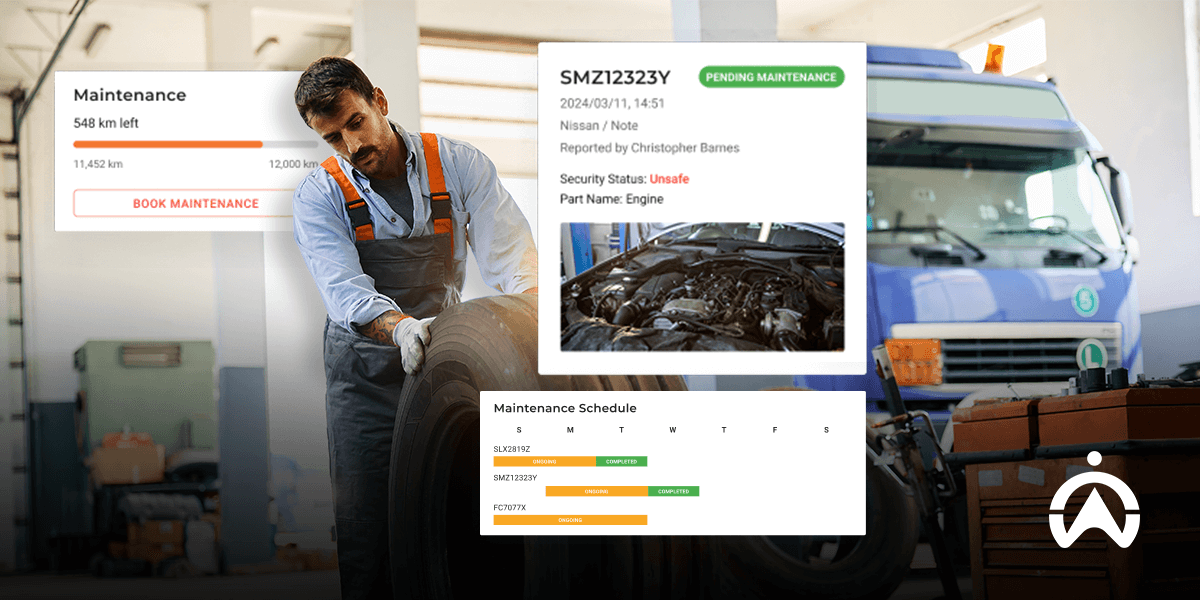
How Cartrack can improve fleet control using CANbus
- Vehicle health monitoring
- Real-time fault alerts
- Seamless integration with other analytical data
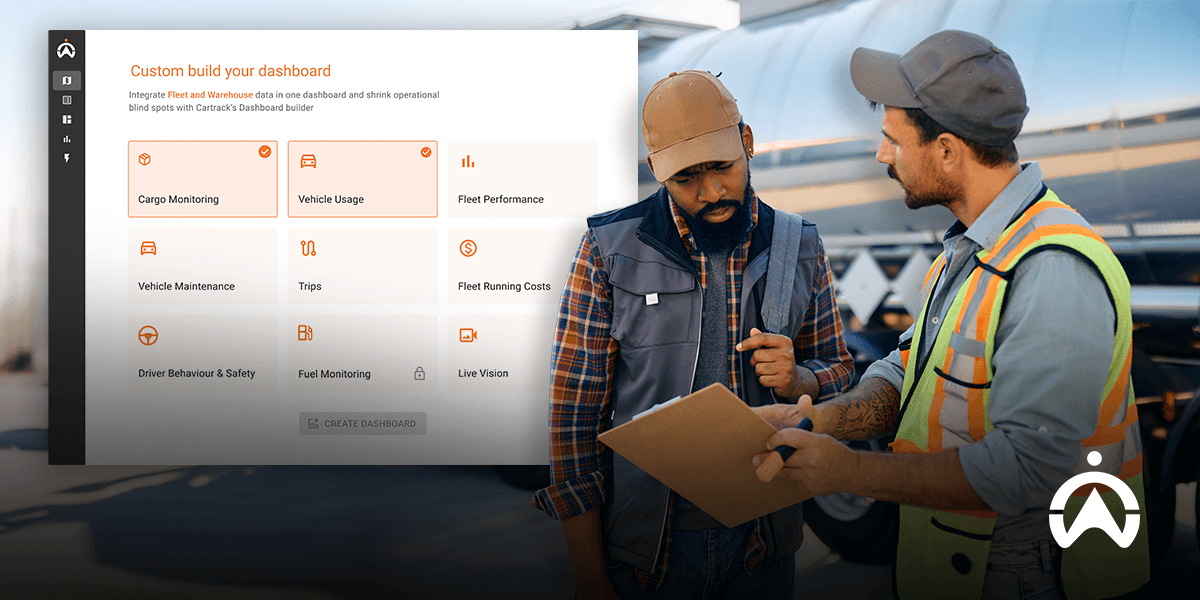
- Data is centrally presented through the Fleetweb platform.
And the challenges of CANbus
- Potential interference or warranty concerns: Professional installation required.
- Restriction on older models: Vehicles manufactured before 2008 may not be supported.
- Data is difficult to understand: Cartrack will automatically process and categorize it.
Ultimately, CANbus is the key to efficient fleet operations. By connecting the vehicle's internal systems, it unlocks real-time insights, helping you take decisive action.
Cartrack's involvement will fully leverage the potential of this data, helping you transform standard operating models into more efficient, dynamic, and proactive fleet management.
Gain a deeper understanding of the underlying mechanisms. Talk to Cartrack experts.Explore usHow to help you make the most of CANbus insights.
FAQ's
Q: Which cars are equipped with CANbus?
A: Almost all cars manufactured after 2008 are equipped with CANbus; this is especially true in Hong Kong, where CANbus has almost become standard equipment on modern cars.
Q: Is the CANbus system safe and reliable?
A: Yes; the CANbus system is safe and reliable, operating in a closed loop. This means it uses a controlled feedback system to minimize failures and maximize stability. With Cartrack, you can ensure the safety of your data through our tamper-proof and reliable protection measures.
Q: Can Cartrack access my CANbus data without affecting my vehicle warranty?
A: Yes; Cartrack's technicians are experienced professionals who understand the importance of non-destructive installation. Therefore, your vehicle warranty will not be voided.
Q: Can CANbus detect vehicle malfunctions early?
A: Yes; the CANbus continuous monitoring system can ensure that any problems are detected early to avoid emergency failures or downtime.