 EN
EN  ZH
ZH Camera-based video and in-vehicle communication: reducing driving negligence and creating a safer fleet.
Road accidents have many causes, including human factors. High-risk behaviors such as speeding, using a mobile phone while driving, and overtaking can all lead to serious consequences.
When fleet drivers engage in such behaviors, it can have a significant impact on the business, leading to high accident costs and operational disruptions. To mitigate these risks, fleet managers can integrate video-based in-vehicle telematics into their fleet management strategies to gain valuable insights into driving behavior and vehicle performance.
This article will explore how camera-based in-vehicle telematics works and how it improves fleet safety and efficiency. We will also explain Cartrack's...How solutions can help reduce driving negligenceThis will lead to a safer fleet of vehicles.
In this article, you will:
- Understanding how driving negligence can affect fleet safety
- Learning how in-vehicle video and data communication systems can reduce driver negligence
- Explore how Cartrack can...Camera footage像Vehicle-mounted telematics enhances driving and fleet safety
How driving negligence affects fleet safety
Driving negligence manifests in various forms, ranging from high-risk driving behaviors to neglecting basic vehicle maintenance checks. It can lead to serious consequences such as vehicle breakdowns, hefty repair bills, legal disputes, and even damage to a company's reputation. The following sections outline types of driving negligence that fleet managers should pay particular attention to.
Types of driving negligence
To ensure fleet safety, it is crucial to understand the different types of driving negligence. These can be categorized as follows:
Negligence on the road
- speedingDriving beyond the recommended or legal speed limit for a specific road or area.
- Distracted drivingTexting, making phone calls, eating, smoking, or engaging in any other distracting activity while driving.
- Follow the car in frontMaintaining too close a distance to the vehicle in front:
- Violation of traffic regulationsThis includes ignoring traffic signals, failing to comply with road signs, and violating other important traffic rules.
- Driving in dangerous environmentsDriving too fast or recklessly in rain, snow, dense fog or other adverse conditions.
Vehicle safety negligence
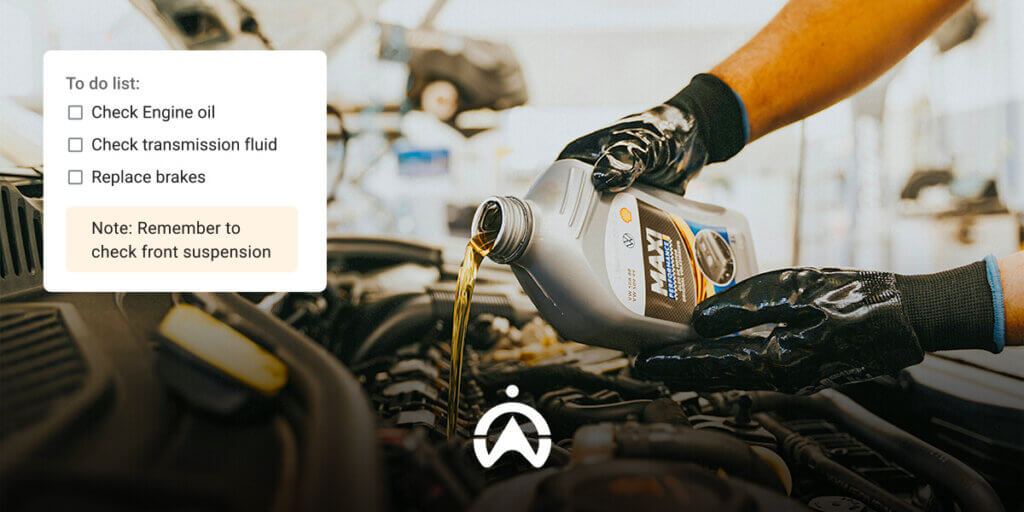
- Neglecting regular checks:No pre- and post-driving inspections were performed.For example, failing to check tire pressure or ignoring mechanical problems with the vehicle.
- Ignore warning signalsIgnoring dashboard warning lights, such as low oil or brake system warnings, requires immediate attention to ensure driving safety.
- Delayed repairDelaying necessary maintenance or ignoring signs of wear such as brake slippage can affect the vehicle's safe operation.
Neglecting driving health and physical and mental well-being
- Fatigue drivingDriving when tired, sleepy, or extremely fatigued.
- Driving under the influence of alcoholDriving under the influence of alcohol or other substances.
- Driving after taking medicationDriving after taking medication that may impair driving ability.
- Driving while illDriving without reporting or proper management of medical conditions that affect driving ability.
Neglect at the level
- lax drivingWhen driving too relaxed, it is easy to become distracted and make wrong judgments, increasing the exposure to road risks and the accident rate.
- Aggressive drivingSuch as frequently overtaking or weaving between lanes.
- Road rage: Displaying anger or violence while driving.
Consequences of driving negligence
Driving negligence can have serious consequences for businesses, and several of these consequences will be discussed in detail below.
Financial consequences
Driving negligence can lead to significant financial losses for businesses. Repeated claims due to unsafe driving typically increase insurance premiums. If a company vehicle is involved in an accident, the business faces high repair costs, medical expenses, litigation costs, and property damage. In addition to these direct costs, accidents can also reduce productivity, as injured drivers may need to take time off work, and vehicles may be out of service.The shutdown will disrupt operationsUltimately, this affects the company's profitability.
Reputational consequences
Accidents or incidents caused by driver negligence can damage a company's reputation and brand image, leading to a decline in customer trust and loyalty. Customers will question the company's ability to safely deliver products or services.
Legal consequences
When a driver is found to have acted negligently, the company may face litigation and incur substantial legal fees, fines, and penalties. Negligent driving is a criminal offense and will affect the driver's legal standing.
How can camera-based in-vehicle telematics reduce driver negligence?
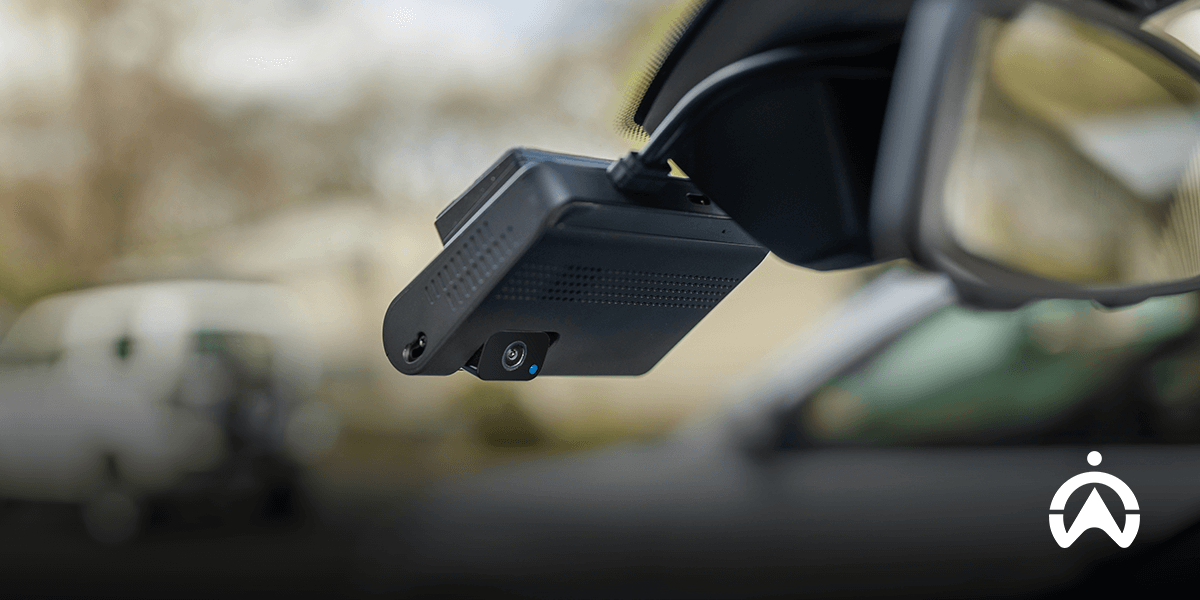
Not all camera-based in-vehicle telematics systems are the same. Some systems only have basic functions, responsible for recording images; while more advanced systems incorporate AI technology. The latter can significantly reduce driver negligence by detecting high-risk behaviors such as mobile phone use, speeding, sudden braking, and following too closely, while also recognizing signs of fatigue and not wearing seat belts.
The following explains the benefits that companies can obtain after implementing this technology:
-
Real-time monitoring and feedback
Advanced in-vehicle telematics systems immediately send alerts to drivers when they detect high-risk events, enabling them to correct their behavior in real time. This instant feedback...Helps reduce the accident rateThis will promote safer driving habits.
-
Incident video and attribution of responsibility
Recorded footage plays a crucial role in identifying and addressing driving negligence. When accidents or safety violations occur, managers can analyze the footage to determine the causes and take appropriate action.Investing in advanced camera imaging vehicle telematics systemsCompanies can use this information for driver training or, if necessary, to carry out disciplinary action.
Choosing the right camera imaging vehicle telematics solution for your fleet
When selecting a camera-based vehicle telematics solution for a fleet, factors such as storage capacity, image quality, installation process, real-time alerts, night vision capabilities, and compatibility with existing systems should be considered.Fleet Management SystemIntegration capabilities.
The following are options to select teams that meet their needs.Camera image vehicle-mounted data communicationKey features to note:
- Image qualityThe images must be clear so that fleet managers can clearly see road conditions and driving behavior. High-resolution images ensure that no critical details are missed in the event of an accident.
- Storage capacityEnsure the system provides cloud storage for easy access to images and data. Cartrack's AI multi-view camera offers up to 1TB of storage space.
- Real-time alertsSystems with real-time alerts can significantly improve driving behavior, as in-vehicle alerts immediately remind drivers to be aware of high-risk behaviors.
- Ease of installationCamera installation must be performed by a trusted service provider to ensure proper functioning and without affecting vehicle wiring. At Cartrack, all installations are completed by qualified technicians to ensure the dashcam is properly secured.
- Compatibility with fleet management systemsChoose a solution that allows easy access to video and vehicle data via a single platform (such as a web interface or app for a fleet management system) for viewing analysis and reports.
- Cost considerationsCost is a significant factor when investing in cameras for a fleet. Prices vary depending on the size of the fleet and specific needs.
How Cartrack enhances driver and fleet safety through camera-based in-vehicle telematics.
Cartrack's camera imaging and in-vehicle telematicsWe provide powerful tools to comprehensively enhance driving and fleet safety. Combining AI cameras, real-time alerts, and driver performance monitoring, our solutions effectively reduce driver negligence and prevent fleet accidents, as follows:
AI Smart Camera
Our AI cameras can detect high-risk events and send immediate alerts to drivers, including:
- Distracted drivingThe driver failed to look ahead for more than 3 seconds.
- Using a mobile phoneHolding or operating a mobile phone while driving.
- Fatigue driving: Yawning or other signs of drowsiness.
- SmokingThis is triggered when the driver's lips are in contact with a long, thin object for an extended period of time, which may indicate smoking inside the vehicle.
- Follow the car in frontToo close to other vehicles.
- Not wearing a seatbeltNo seatbelt was detected on the driver's body.
- Not facing the cameraThe driver was not looking ahead.
Drivers will receive real-time alerts inside the vehicle to immediately correct their behavior and assist.Accident preventionAnd improve road safety.
With up to eight in-vehicle and out-of-vehicle cameras, fleet managers can access images in real time and gain a comprehensive understanding of the fleet's operational status.
When an accident occurs, this video footage can help prove the driver's innocence and prevent them from being wrongly accused. Video evidence can also expedite the insurance claims process, shorten processing times, and avoid legal disputes. This not only saves costs for businesses but also helps...To keep the driverAnd create a positive work environment, because drivers can be assured that they are always safe.

ADAS (Advanced Driver Assistance System)
Cartrack's Advanced Driver Assistance System (ADAS))By using AI to detect potential risks, fleet safety can be further enhanced. Features such as lane departure warning, forward collision warning, and automatic braking can help drivers avoid accidents.
By integrating real-time GPS data, ADAS ensures optimal driving speed and provides collision warnings, equipping fleet managers with tools to reduce driver negligence and improve overall safety. Key ADAS functions include:
- forward collision warningIt issues a warning when the driver approaches the vehicle or obstacle ahead too quickly, helping to prevent rear-end collisions.
- Blind spot detectionThis alerts drivers to vehicles in blind spots, reducing the risk of accidents when changing lanes.
- Automatic emergency brakingIt detects an impending collision and automatically activates the brakes to reduce the impact force or completely avoid the accident.
By incorporating ADASfleet managementCartrack can effectively prevent high-risk driving behaviors that could lead to accidents, breakdowns, and increased costs.
Driver Coaching
After reviewing the footage, the administrator can refer the driver to our...Guidance PlatformThe platform automatically records all high-risk behaviors and tracks the frequency of repeated driving violations and the need for guidance.
All guidance records include timestamps and notes to ensure that the guidance process complies with company policy and to provide necessary evidence in the event of a disciplinary hearing.
In summary, reducing driver negligence is key to enhancing fleet safety, lowering operating costs, and maintaining a strong corporate reputation. Cartrack's AI-powered camera-based in-vehicle telematics solution offers a comprehensive approach to improving driving behavior and mitigating risk. Implementing these tools helps fleet managers promote safer driving habits, prevent accidents, and protect business operations.
Contact us nowLearn how to empower your driving team and improve fleet safety.
FAQ's
Q: Is it possible to obtain a customized report from Cartrack's camera system?
A: Yes. Cartrack Provides customizable reporting featuresFleet managers can generate customized reports on driving behavior, violent incidents, and overall fleet safety performance based on the company's needs and operational conditions.
Q: How can managers ensure that cameras do not infringe on drivers' privacy?
A: ForProtect driving privacyManagers should establish clear guidelines for the use of cameras, allowing only authorized personnel to access the footage and ensuring that cameras are used only for designated purposes, such as monitoring driving behavior and safety.
Is camera-based vehicle telematics applicable to all vehicle types?
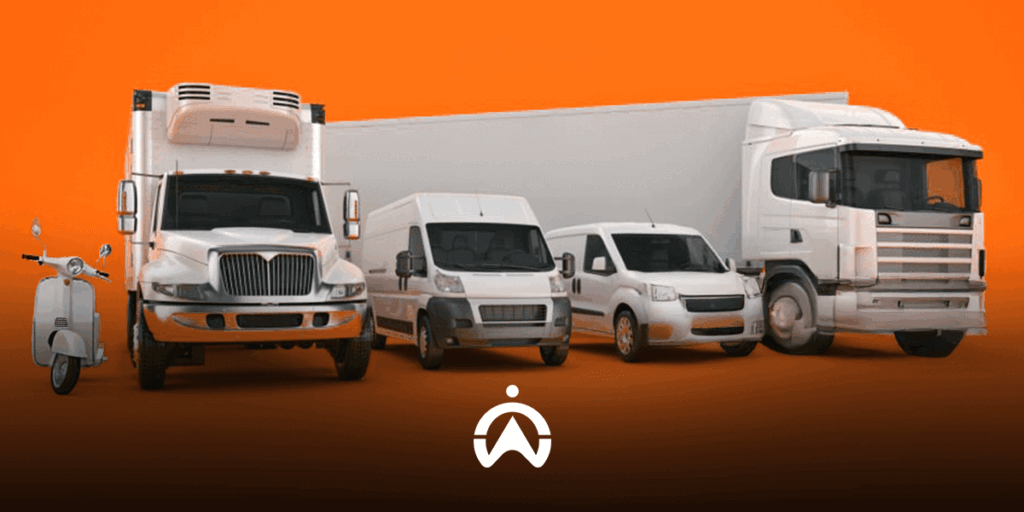
A: Yes, fleet managers can install cameras in cars, trucks, buses, and vans to monitor vehicle-to-everything (V2X) communications, thereby reducing driver negligence and improving road safety.