 EN
EN  ZH
ZH For ride-hailing businesses to remain profitable, adhering closely to operational and regulatory compliance requirements is crucial.Fleet management softwareThis is why it has become an indispensable part of the industry.
In the past, a complete safety and compliance fleet software solution was merely considered a recommended operational upgrade. Now, in Hong Kong's rapidly changing ride-hailing market, it has become an essential tool for businesses to survive!
Key Summary
- The Hong Kong Transport Department will regulate the services and platforms of ride-hailing companies.
- With the introduction of new compliance regulations for vehicle inspection and passenger protection, the focus is on making regulation smoother and improving road safety.
- Fleet management technology is no longer just a suggested option, but a key element for the success of ride-hailing businesses.
How is Hong Kong's ride-hailing industry transforming?
For 12 years, Hong Kong's ride-hailing industry existed in a legal gray area: regulations were only theoretical (technically outdated) and not strictly enforced. This is changing! A new, more structured, compliance-focused legal framework is being implemented, making compliance an unavoidable requirement.
Current new licensing system
The government is issuing these licenses.The government is approving ride-hailing operators such as Uber. Given that there are already over 18,000 taxis operating on the streets of Hong Kong, ride-hailing operators had previously advocated for 20,000 licenses. However, the government has limited the number of licenses to 10,000 in the first phase of the new measures.
What are the specific contents of the new regulations?
The new regulations cover:
- Ensure that drivers and operators hold valid ride-hailing driver's licenses.
- Mandatory commercial vehicle insurance (must be purchased before the license is issued)
- Regular vehicle inspections and mandatory insurance
When will this new regulatory system take effect?
The implementation of this new lawIt officially came into effect on August 3, 2026. Operators can begin applying for licenses on behalf of their drivers from this date.
Operators must achieve full compliance by August 22, 2027. Furthermore, any driver found guilty of picking up passengers for payment without a license will face a suspension of 1 to 3 years.
How should smaller ride-hailing companies compete?
Uber, Didi, Tada, and Didi Chuxing currently dominate the market, but this doesn't mean smaller companies have no room to compete. Hong Kong's booming economy and thriving tourism industry create a strong demand for ride-hailing services; however, only companies that effectively utilize fleet management systems will have a chance to gain a share of the market.
Why should ride-hailing companies now place great importance on fleet management systems?
To understand why passenger transport companies should implement fleet management systems now, we need to first understand the gaps that currently exist in this industry. Hong Kong's ride-hailing industry has its unique characteristics, and its compliance requirements are more stringent than those in other Asian regions.

Regular vehicle inspection
Currently, too many ride-hailing platforms still rely on manual processes to ensure vehicle inspection compliance, but this practice will no longer be in line with the standards.Hong Kong Transport DepartmentThe requirement is that vehicle inspections must be conducted regularly and be documented. It is now strongly recommended to adopt a digital process to eliminate human error in scheduling and archiving.
More emphasis on safety
The safety of ride-hailing drivers is also crucial to the safety of passengers and other drivers on Hong Kong's already busy roads. Without real-time information on drivers' location and behavior, the implementation and monitoring of safe driving are significantly limited.
Transparency and Information Presentation
Many passenger transport operators have been operating informally, frequently sharing accounts with other drivers or changing vehicles whenever convenient. Therefore, a tracking system is needed to cross-reference and verify drivers, their qualifications, account information, and vehicles.
License renewal
Another part of the government's licensing system stipulates that renewal depends on completing a certain number of trips within 12 months. To implement this requirement, licensed ride-hailing platforms are legally required to file and submit operational data directly to the Transport Department.
Of course, data that is missing cannot be submitted. Without manual recording, it is often difficult to accurately determine the number of trips completed by each driver.
Digitalization is the best solution to this problem, saving time and eliminating human error. Digital tracking systems can also incorporate longer trips into the calculations to compensate for smaller trips.
Consumer protection
The Hong Kong government places great importance on passenger safety, including not only personal safety but also financial security. Ride-hailing services carry the risk of fraudulent transactions, such as unnecessarily extended trips or excessively high fares. A system capable of addressing these issues is needed now more than ever to meet departmental vetting requirements.
What functions should a fleet management system for ride-hailing fleets have?
A good ride-hailing fleet management system should be able to:
- Track drivers and match them with driver account information and vehicle identification number (VIN).
- Automatically schedule vehicle inspections and record the results.
- Track and archive all trips, including times, routes, and financial transaction records.
- Monitor the driver and ensure passenger safety
Fleet management software should fill compliance gaps in the passenger transport industry, not only meeting compliance requirements but also being able to demonstrate compliance.
Transparency: Tracking the experience of every trip
A good fleet management system goes beyond just tracking.Your vehicle will also be tracked for driver behavior and various vehicle responses during driving.
Regarding vehicles, the scope includes:
- idling
- speeding
- Fuel consumption
- sudden braking
You should be able to access CAN bus reports to understand the actual driving conditions of the vehicle on the road, thereby gaining a comprehensive understanding of each driver's performance while carrying passengers.
As for the driver...Scope of supervision It may include:
- Interaction with passengers
- Fatigue driving detection
- Smoking, eating or drinking
- Distractions
- Unauthorized passengers
If a passenger complains, a dashcam is a reliable way to review the actual trip and uncover the truth.
Record Management: Digitizing Ride-Hailing Records
Investing in a ride-hailing fleet management system can bring financial benefits because your ride-hailing fleet management system...Easy records will always be in good orderYou can understand profit fluctuations through objective reports and identify business adjustments that can be made to improve performance.
This can also greatly simplify your tax filing and government compliance review process!
Compliance: Meets the Transport Department's reporting requirements.
The Hong Kong Transport Department will conduct more stringent monitoring of ride-hailing operations after August 22, 2027, and will require the submission of records and compliance reports. Saving this information in a neat digital format will save you a significant amount of time.
Some fleet management system providers even offer insurance management functionality that can be seamlessly integrated with your other vehicle management strategies. This is a compliance key focus for the Transport Department, so finding a fleet management system with this feature will significantly improve your compliance score.
You can rest assured that these reports will be accurate and free from any human error.
Return on investment: Extended vehicle lifespan and maintenance
Fleet management systems also play a crucial role in maximizing vehicle performance. This is achieved by tracking mechanical diagnostic data, andAutomatically schedule maintenance and repairsThis ensures your vehicle remains in good condition and continues to serve your business.
Route planning is equally important in this regard. The more efficient the routes, the less mileage the vehicles will travel. In the long run, this will extend the lifespan of each vehicle and reduce fuel consumption for the entire fleet.
How can ride-hailing apps improve road safety for drivers and passengers?
Ride-hailing fleet management software excels at monitoring drivers, providing real-time vehicle diagnostic data, and alerting management personnel when safety hazards arise. Safety should be your primary consideration when choosing fleet management software, as this is one of the main reasons the Hong Kong government implemented these regulations.
Ride-hailing operators introduce dashcams
In the ride-hailing industry, being able to monitor the real-time situation inside and outside the vehicle during a trip is invaluable for operational oversight. Having video footage available for review can eliminate conflicting accounts and quickly resolve thorny disputes.
Alarm system to enhance ride-hailing safety
Maintaining smooth communication between drivers and dispatch managers is a crucial tool for supporting safety and compliance in the ride-hailing industry. Whether it's vehicle malfunction, an accident, or dangerous passenger behavior, alarm systems play a powerful preventative role.
Passenger safety and overall trust in ride-hailing brands
The Transport Department's regulatory focus will largely be on the ride-hailing platforms themselves. Operators must build trust from the very first step of the customer transaction process—from booking a trip to payment upon completion, at every stage.
Having a fleet management platform specifically designed for handling ride-hailing administrative matters will help you clearly demonstrate your commitment to safety to the Transport Department, while also proving to your customers that you are a trustworthy brand.
Ensure the safety of other drivers on the road
A brand image is built in part by how others perceive you. When your ride-hailing brand represents you on the road, good or bad driving performance can make or break your reputation.
Fewer accidentsThis means that traffic congestion in densely populated areas such as Central and Kowloon will be alleviated, creating a safer environment for pedestrians and other drivers. When safety is monitored proactively and in real time, others can feel at ease when your vehicle is on the road, and your reputation is also protected.

Cartrack: Your Partner in Hong Kong's Mobility Revolution
So, how does Cartrack meet these key needs of the Hong Kong ride-hailing market?
Our technology has long been the cornerstone of fleet safety and smooth operation. Compliance has always been an integral part of our software design philosophy, and today, our intelligent connected vehicle technology is no longer just a recommended option, but an indispensable necessity!
Data is the key to improving operational insights and decision-making quality.
Here are the solutions we provide for ride-hailing operators and drivers:
Cartrack Human Resource Dispatch Optimization Software
Cartrack's driver dispatch optimization software is the ideal solution for managing passenger demand and coordinating the distance between drivers and potential customers.
What is its function? It helps you reduce downtime between trips, improve customer service, and enable real-time automated route planning.
Cartrack dashcam solution
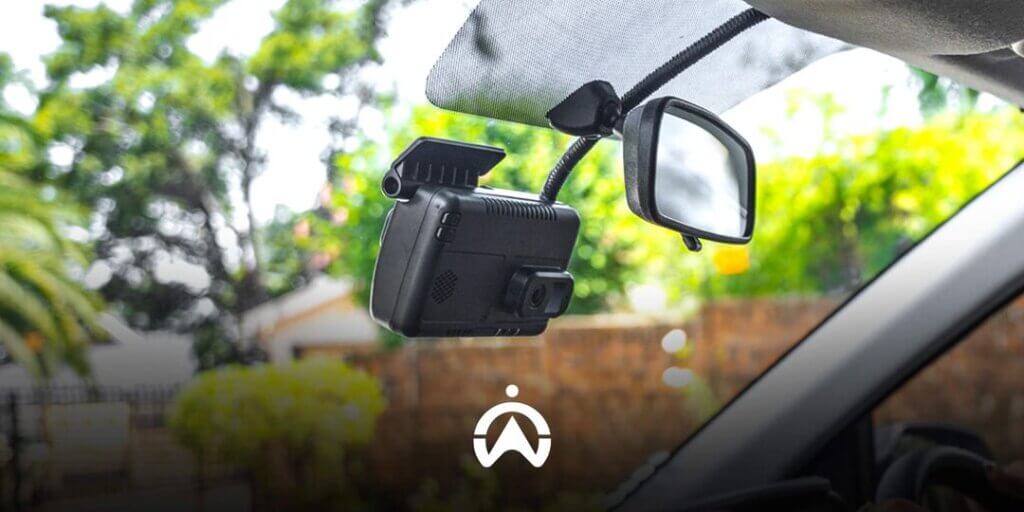
For ride-hailing services, we recommend using the Dual Vision dual-lens system. This system combines two-way recording of the road and the vehicle, and integrates AI technology to achieve intelligent safety management.
What is its function? With AI detection and smart sensors, you can obtain video recordings of important events. Our cameras can not only detect fatigue and distracted driving, but also capture near-misses, actual collisions, and the activities of passengers inside the vehicle.
Cartrack vehicle diagnostic system
Vehicle lifespan is a numbers game, and every kilometer saved is a matter of return on investment for your asset—provided your vehicle is kept in optimal condition. Cartrack CAN bus technology It directly connects to the vehicle's "nervous system," collecting mechanical data so that your maintenance and repair strategies are no longer based on guesswork.
What is its function? It provides you with real-time data on engine condition, tire condition, fuel anomalies, battery health, and the performance of various important vehicle components. This technology is also used to record unsafe driving behaviors such as sudden braking, sharp turns, or speeding.
Cartrack security alert
The emergency help button system provides peace of mind, allowing drivers to send notifications when immediate action is needed in an emergency. Emergency alarms can also be set to automatically sound in the event of an accident, sudden stop, or other travel emergency.
What is its function? The emergency help button is located in the Cartrack app on the driver's phone. In case of an emergency, simply press it to ask for help.
As a member of the management team of a ride-hailing platform, what's your next step?
To comply with the Transport Department's new ride-hailing regulations, you need to partner with a company that is already a leader in the industry.
Cartrack, as a forward-thinking fleet management leader, is the ideal choice for ride-hailing operators in Hong Kong.
If you are a forward-thinking entrepreneur who recognizes the opportunities in the ride-hailing industry, you should embrace technology and prioritize operational excellence and continued safety.
Please remember that safety is no longer a trivial matter;Rather, it is a necessary condition for the success or failure of your ride-hailing business.
Book a free demonstration or consult a Cartrack expert now. Prepare your ride-hailing fleet for the future as early as possible.
Frequently Asked Questions about Hong Kong's New Ride-Hailing Regulations
Can customers still use ride-hailing services before the deadline of August 22, 2027?
Yes, despite the grace period, ride-hailing services in Hong Kong will continue to operate normally. Compliance checks will be fully implemented from August 22, but passengers can continue to use their preferred ride-hailing brands before then.
What are the application fees for obtaining a license under the new ride-hailing regulations?
The application fee for ride-hailing platform operators is HK$16,250. The annual license fee is even higher, reaching HK$1.2 million. This move will almost certainly cause some less formal ride-hailing companies and freelance drivers to exit the industry, ultimately leaving only larger operators active on the streets of Hong Kong.
What age must one be to become a registered ride-hailing driver in Hong Kong?
To apply for a ride-hailing license, one must be at least 21 years old; if the application is submitted by a company, the company must provide supporting documentation confirming that the driver meets this age requirement. This age restriction also prevents unemployed drivers who are under the minimum age requirement from providing ride-hailing services.