 EN
EN  ZH
ZH Therefore, knowing the location of all vehicles at all times is crucial in these complex environments. Hong Kong Transport Department Road traffic accidents have become the leading cause of death among people aged 40 to 59, demonstrating the risks involved in driving on the road, especially in high-speed convoys under pressure.
In Hong Kong, emergency responders frequently encounter severe traffic congestion; ambulances and fire trucks can sometimes be stuck for several minutes even with hazard lights and sirens blaring. Clearly, real-time vehicle tracking is crucial. Cartrack... Top-level active tracking, Camera connectivity and smart vehicle analytics support emergency responders, ensuring a safe response from start to finish.
Key points:
- Proactive tracking enhances emergency convoy safety by providing real-time visibility and behavioral insights.
- Connected cameras and sensors improve situational awareness for control room staff and personnel.
- Smart route planning and alerts shorten response times, helping to save lives and improve outcomes.
- Cartrack Hong Kong provides a comprehensive platform to ensure emergency fleets remain connected, protected, and ready to respond at any time.
What is proactive tracking in emergency fleet management?
Active tracking uses real-time telematics data (such as GPS location, vehicle movement, and driver behavior) to monitor vehicles in real time. Emergency vehicle managementnecessary conditionsTherefore, unlike passive systems that merely store data, proactive tracking continuously streams information to a central platform, enabling fleet managers and control rooms to respond to situations in real time.
So what role does proactive tracking play in emergency fleet management? Proactive tracking is used... GPS tracker 向 Vehicle data is sent to the cloud platform, making it easily accessible to fleet managers and control teams. Dispatchers can track the location, speed, and direction of each vehicle in real time, while receiving immediate alerts for critical events such as speeding, sudden braking, and route changes.
Active tracking is crucial for emergency convoys because it:
- Provides real-time updates, enabling dispatchers to coordinate faster responses.
- Ensure safety monitoring during high-speed driving.
- It enhances your situational awareness and helps you make better decisions.
In Cartrack, we use AI-driven GPS tracking solutions Provides accurate, real-time visibility for your emergency services fleet.
Why emergency services need proactive tracking more than ever before
Emergency services require proactive tracking The urgency is greater now than ever, due to factors including persistent traffic congestion. Unpredictable traffic jams and emergency calls mean emergency response teams have no time to waste. When lives are at stake, every second counts.
Faster and smarter scheduling
Active tracking allows dispatchers to instantly see the nearest units and immediately assign them to the incident site. This technology speeds up response times and improves coverage in busy areas.
Enhancing the safety of emergency personnel during high-risk driving
Emergency response vehicles operate under immense pressure, speeding through congested roads to handle life-threatening situations. Cartrack's active tracking system Safety is enhanced by monitoring speeding, braking, and turning in these emergency situations, allowing the control room to effectively respond to any detected unsafe driving behavior.
By leveraging data-driven insights, emergency services can promote safe driving practices and prevent accidents, ultimately ensuring the safety of emergency service providers and citizens without delaying emergency response times.不 To ensure the safety of emergency service providers and citizens in the event of a delay in emergency response.
Protect the staff inside the vehicle
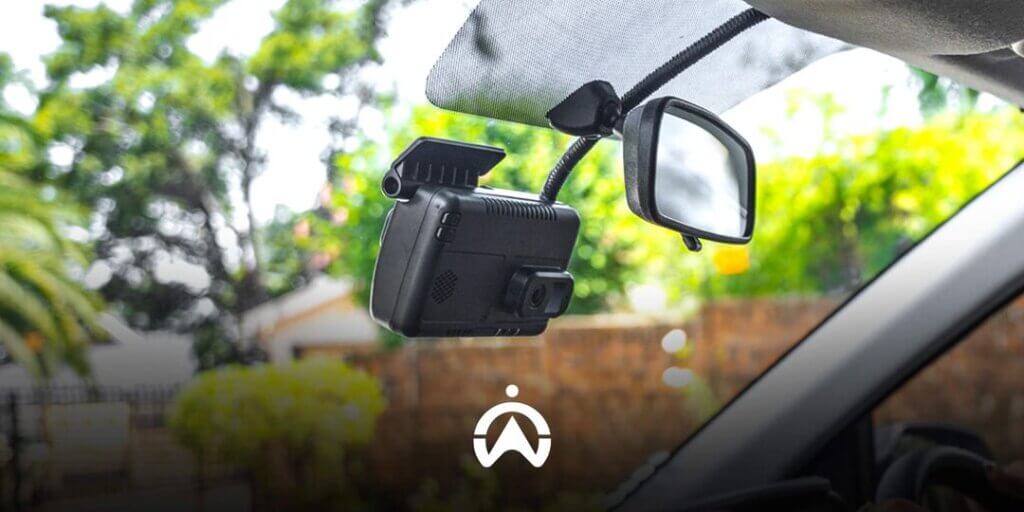
Active tracking It's not just about locating your position. Through use AI camera You can also enhance safety inside and outside the vehicle. These systems can provide real-time visuals to your platform, enabling managers to make rapid assessments immediately, which is especially useful in emergency situations.
The role of connected cameras in emergency convoy safety
Connect camera These systems enhance the safety of emergency convoys because they allow for real-time access to precise information about the situation inside and outside the vehicles. While GPS tracking systems can share vehicle location information, cameras allow control centers to see exactly what is happening.exact What is happening now.
Instant visibility
The camera transmits real-time footage directly to your control room, allowing operations managers to detect any distracted driving and track the distance between emergency vehicles and vehicles ahead, preventing potential accidents.
Protect emergency personnel from public threats
Ambulance paramedics, emergency medical service providers, and police officers often face risks beyond the boundaries of road safety. Attacks, obstruction, or public disturbances may occur during emergencies. Video evidence It is crucial not only as a preventative measure but also in post-emergency investigations.
Automatic accident detection
Cartrack latest system usage Sensors and AI technology Capture event-driven data, such as collision events and sudden movements. These systems improve support response times and provide strong evidence when problems occur.
With these capabilities, proactive tracking transforms into a comprehensive safety monitoring service, ensuring the protection of emergency responders both on and off the road.
Smarter route planning
Intelligent route planning prioritizes the fastest routes using real-time data on vehicle location and traffic conditions, thereby reducing emergency response time. Control room personnel can quickly redirect vehicles in emergencies such as traffic jams, accidents, or road closures. In short, Real-time tracking not only displays vehicle location but also helps convoys arrive faster.
Real-time traffic data
Active tracking systems combine real-time traffic data with GPS, enabling your emergency service vehicles to bypass congestion, road closures, or other delays in real time—an optimization that is especially critical in the urban environment where every second counts.
Geofencing improves operational efficiency
Geofencing Creating virtual boundaries around specific areas and sending alerts when vehicles enter or leave these areas can help improve resource allocation in the desired areas and make your operations more efficient.
Proactively track how to improve accountability and reporting
Proactive tracking improves accountability by recording trip details, driver behavior, and accident times. This information is crucial because it helps emergency services create accurate reports that aid in investigations. Maintaining a comprehensive database also helps in the regular improvement of safety policies and training programs.
These records can:
- Automatically record trip Including the date.
- supply Efficient accident reporting methods.
- Assist in handling Insurance claims and legal documents.
Proactive tracking helps the control room respond to emergencies in a timely manner.
Proactive tracking helps control room operators with real-time alerts, vehicle data, and driver behavior insights. This means they can... fast Respond to crises, reroute vehicles as needed, collaborate with emergency response personnel, and maintain a comprehensive record of all vehicle activities.
Send immediate alerts to control center personnel
The control room can send alerts for speeding, sudden maneuvers, or sensor-triggered events. These alerts enable rapid action or task reassignment to ensure the safe and orderly operation of the convoy.
Two-way communication
Enhanced system implementation Instant Messaging This enables real-time communication between the control room and emergency personnel. Dispatchers and fleet managers can not only issue instructions but also adjust routes or provide guidance based on the latest road updates.
How Cartrack supports emergency service fleets
Cartrack provides emergency service vehicles with intelligent proactive tracking, camera connectivity, and fleet intelligence capabilities. All of these tools help improve the safety of emergency response teams and ensure that control rooms have sufficient information to effectively manage safety-critical tasks.
24/7 monitoring and support, 365 days a year
在 Cartrack, we provide continuous monitoring and support for you and your team. Our control room staff are available to assist you 24/7, 365 days a year.
Industry-leading tracking accuracy
Cartrack's GPS tracking system It will provide instant updates and reliable, accurate real-time visibility, even at high speeds.
Seamless integration with existing emergency systems
Cartrack's technology is seamlessly integrated with dispatch tools, communication applications, and command center solutions to enhance emergency response services without disrupting current operations.
Active tracking plays a vital role in emergency service fleets because it enhances the safety of rescue teams, improves coordination, and ensures a rapid response to emergencies.
therefore, Contact Cartrack immediately Set up proactive tracking for your emergency service fleet to ensure the safety of your emergency personnel!
FAQ's
Q: How can proactive tracking improve emergency response time?
A: Proactive tracking improves emergency response times by providing real-time vehicle location, traffic conditions, and availability. This helps control room always know the location of the nearest unit, allowing for real-time vehicle guidance around congestion and eliminating wasted time in life-or-death emergencies.
Q: Which types of emergency convoys benefit the most from proactive tracking?
A: The emergency fleet types that benefit most from proactive tracking include ambulances, fire services, police units, rescue teams, disaster response vehicles, and private medical fleets. These fleets must operate under time pressure and high risk, making immediate visibility a critical component of their safety and efficiency.
Q: What is the difference between active tracking and GPS navigation?
A: The difference between active tracking and GPS navigation is that active tracking provides real-time location updates, driving behavior insights, and event alerts, while GPS navigation only provides step-by-step driving guidance. The control room can view, manage, and respond to fleet events in real time, a feature that GPS navigation lacks.