 EN
EN  ZH
ZH Driver Incentive Program: How Dashcams Can Assist You in Guiding Drivers
When running a fleet business, no resource is more important than your drivers. Managing drivers requires efficiency and good planning, which are key to safer driving and optimized delivery of goods and services. To achieve this efficiency and optimization, drivers must always be at their best.
A good way to encourage better driving habits and behaviors is to implement driver reward programs. One way to do this is to use a dashcam to record trips and overall driving performance.
This article will exploreHow driver incentive programs and dashcams can improve driving safety through coachingLet's begin.
In this article, you will:
- Learn what a driver incentive program is
- Understanding the role of dashcams in driver guidance
- Explore how to implement a rewards program
- Understanding the legal considerations of using dashcams
- Learning CartrackDriving RecorderHow to make your guidance plan effective
What is a driver rewards program?
A reward program is a reward-based approach used to motivate someone to perform specific actions. These programs leverage the power of rewards to align behavior with corporate goals. When rewards are formalized as a system within the work environment and integrated with corporate objectives, it is called a reward program.
The goal of employee engagement programs is to achieve the following throughRewards and praise help retain employeesAt the same time, it improves work performance and corporate culture. One of the biggest advantages of incentive plans is their high flexibility, as they can be adjusted according to company goals and leave enough room for periodic revisions.
There are many different types of rewards programs, each with its own process and reward structure. Here are some common reward types:
- Monetary bonus:The most common incentive programs offer bonuses for good or outstanding performance, usually in cash and calculated as a percentage of the driver's salary.
- Praise and recognition:Formal recognition is another common form of reward used by employers. This could be an annual award or any form of public recognition of a driver's outstanding performance. The most common example is the "Employee of the Month" program, which rewards drivers who meet or exceed company targets each month.
- Career Development:Establishing a reward structure that promises career advancement opportunities to high performers is a highly effective incentive program. This provides drivers with a clear career advancement path, which can take the form of promotion or skills training.
These incentive programs benefit both companies and drivers because they reduce costs, boost morale, and comprehensively improve customer service quality.
The role of dashcams in driver guidance
In terms of monitoring driving behaviorFew other technologies are as effective as dashcams. They record the entire journey and provide alerts for distracted driving and other violations. Let's explore the applications of dashcams in enterprise environments.
How dashcams provide insights into driving behavior
As a fleet manager, monitoring drivers while they are on delivery missions is crucial, so the use of dashcams is highly recommended. They record the entire trip in real time, allowing fleet managers to understand the actual conditions of the route and identify areas for improvement.
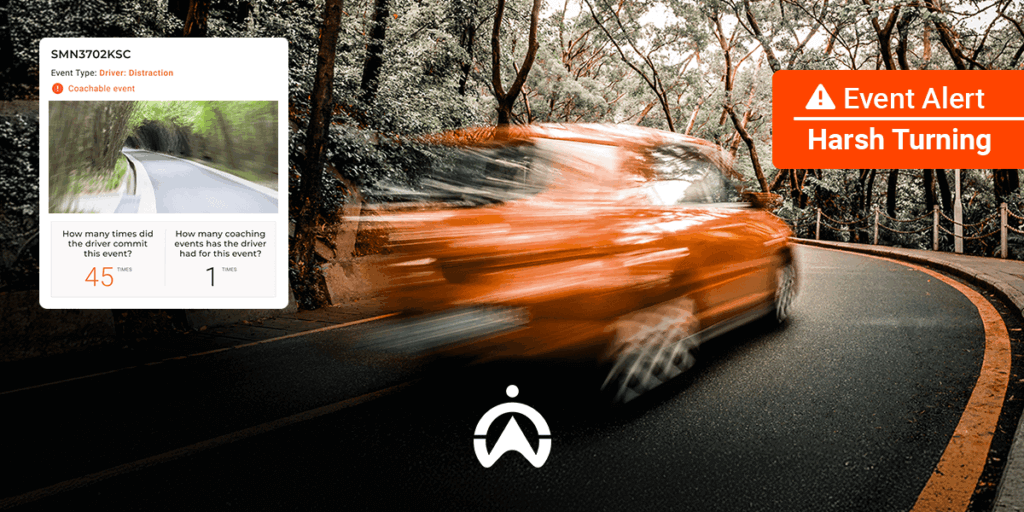
Modern dashcams offerA variety of AI-driven solutions to help reduce accident rates.One of these is an event-triggered alert, which can notify drivers and fleet managers of specific behaviors such as smoking and distracted driving.
Using AI to analyze driving patterns has become an industry standard for most fleet management software. The main functions of AI dashcams include:
- Real-time behavioral analysisIt can identify incidents such as distracted driving, driver fatigue, and forward collisions.
- In-vehicle warningProvide immediate feedback to drivers to prevent accidents or incidents from occurring.
- Data integration:andFleet Management PlatformIntegrate connections to improve organizational workflows.
Why use dashcams for driver guidance and training?
A dashcam is a reliable tool that has been used for many years.Ideal for driver instruction and trainingBecause they provide objective and unassailable feedback. The biggest advantage of using dashcams for training and guidance is that they help identify areas for improvement that are often difficult to spot without actual footage. Common situations requiring responses during guidance include:
- Smoking
- fatigue
- Collision ahead
- Camera obstruction or alteration
- Using a mobile phone
- Seatbelt wearing status
- Distracted driving
Monitoring these incidents and using them as a guideline is highly effective because it provides drivers with real-world scenarios. Failure to comply will result in penalty points being deducted from drivers' records, which accumulate over time. This benefits not only drivers but also businesses, as they can build a comprehensive database of violations covering most common driver infractions. If implemented properly,This will comprehensively improve the safety of the trip.The three best times to give driver instruction include:
- New Employee Onboarding Training
- Response after the accident
- Regular and continuous
Following this process helps reduce liability risks and the frequency of accidents. Furthermore, this footage can help reduce insurance claim costs and protect your brand image. Dashcam footage can also significantly speed up and streamline the handling of traffic accident disputes. By providing firsthand, objective records before an accident occurs, these devices can help clarify liability and facilitate fair compensation for all parties involved.

How to implement a dashcam-based guidance program
To fully utilize dashcam footage and establish a reward system, a mentoring program is essential. This program will serve as a system to encourage good driving behavior and simplify driver management. Mentoring can be conducted during trips, after trips, and even during performance review meetings. The goal is to cultivate better driving habits in drivers and improve overall fleet performance. Below is a step-by-step guide to creating a program tailored to you and your drivers.
Step-by-step guide to implementing a dashcam program:
- Choose the right dashcam solution for your fleet.
The first step is for your businessChoose the best dashcam solutionThis solution must align with your company's goals and the plans you are developing. You need to consider whether you only need one camera or multiple cameras; whether it has AI capabilities; and its storage and recording capacity.
- Integrate the dashcam with the fleet management system.
To ensure a smooth process, the dashcam must be able toIntegration with the company's existing fleet management systemThis is crucial because it simplifies the monitoring and reporting process. The tools in the system should support the dashcam's functionality to ensure seamless integration.
- Establish clear guidance and feedback processes.
Once system integration is complete, the next step is to establish a clear guidance and feedback mechanism. This means drivers need to know clearly when guidance is given, who performs it, and how to provide feedback. This will help in measuring rewards and determining who receives them.
- Ensure that guidance meetings are aligned with incentive programs.
The objectives of the guidance meeting must be clearly stated and aligned with how the incentive program works. This may include clearly defining which objectives correspond to which rewards, or establishing a points system that accumulates over a specific period. Drivers should be able to clearly understand how the guidance relates to specific rewards within the incentive program.
Recommendations for a successful mentoring program
For a mentoring and reward program to function successfully, several key considerations are necessary. Continuous feedback is crucial for mentoring, especially when a driver's career development is impacted. Feedback should not be one-way; drivers should also be able to offer opinions on the instructor's performance, just as the instructor evaluates the driver.
The next consideration is fairness. Such programs need to be highly transparent to avoid drivers perceiving bias or favoritism in guidance or reward allocation. It is this fairness that keeps drivers engaged with the program; unfairness will lead to dissatisfaction and a decline in performance.
Equally important is celebrating progress, not just praising top performers. This kind of recognition makes everyone involved in the program feel valued, even if they don't receive a tangible reward at the moment.
Driver rewards and future trends in dashcam technology
The fleet management industry is witnessing numerous new advancements in dashcam technology, most notably the integration of AI into camera systems. This has also spurred developments in related fields such as machine learning and cloud storage capabilities. All these elements together constitute...Advanced Driver Assistance Systems (ADAS)Its goal is to improve driving safety.
Integration with telematics and predictive analytics is the direction of industry development. Most fleet management systems have already adopted these technologies, especially in dashcams and driver behavior monitoring.
These technological advancements have made it easier to implement and operate driver incentive programs. The evolving role of incentive programs within companies reflects drivers' strong preference for such systems. Today, most driving-related positions incorporate incentives into their hiring plans and they have become a key consideration in a highly competitive market.

Cartrack's dashcam and guidance solutions
At Cartrack, we offer a variety of camera solutions that allow you to monitor your fleet with AI-powered dashcams that face both the road and inside your vehicles. You can configure up to eight in-vehicle or out-of-vehicle cameras to help ensure the safety of your drivers, fleet, and cargo.
This solution features preventative in-car voice alerts that remind drivers of potential safety violations, allowing them to correct them immediately. Our event-driven imaging provides the precise visuals you need instantly when required.AI cameraIt analyzes the in-vehicle and external environment, and instantly detects and warns of any high-risk behaviors to help drivers avoid accidents. All event footage is stored on our cloud platform and can be used to guide drivers.Improve their driving behavior.
You'll no longer waste countless hours sifting through lengthy video feeds just to find the clips you need. You can stream live footage of any moving vehicle via Android, Apple, or Huawei devices. View safety footage categorized by event, request footage by time and date, or stream live footage of any activated vehicle.
As fleet management enters a new technological era, it is recommended to make good use of existing tools, such as dashcams. Combining driver incentive programs with dashcam guidance is a way to optimize operations and achieve comprehensive results.Improve driving safetyOne of the ways.
If you are looking for a reliable and trustworthy dashcam and AI photography system, welcome to...contact usLearn more about our solutions.
FAQ's
Q: What is the cost of implementing dashcams in a fleet?
Please contact Cartrack.To obtain quotes for our various dashcams and cameras.
Q: Does using a dashcam in Hong Kong raise privacy concerns?
Currently, there are no explicit laws regulating the legality of dashcams or the way the images are used. This means that recording in public places without prior notice may raise privacy issues if the images are shared without a legitimate reason; however, dashcams are generally considered legal when recording public spaces such as roads.
Q: Which type of reward is most effective for drivers?
The most effective incentive programs are typically cash bonuses and career development opportunities. Both options provide tangible benefits to drivers and have a positive impact on their lives.
Q: How quickly can we expect to see results after implementing these plans?
This depends on the reward structure used, but generally speaking, results can usually be seen within the first month after implementation.