 EN
EN  ZH
ZH according to According to DWF Group law firmThe use of remote ICT data in legal cases is increasing. Gathering as much information as possible is crucial for insurance companies, driver training, and legal disputes. Remote ICT plays a vital role in accident reconstruction because it provides all the data you need, saving you time and money.
Today, we will discuss the benefits of using remote ICT for incident reconstructing, andWhy Cartrack is your best choice.
Key points:
- Remote telematics captures vehicle data such as speed, braking, and location to help clarify the circumstances surrounding an accident.
- GPS, cameras, and sensors establish a clear timeline, allowing investigators to see who is responsible.
- Using remote ICT can reduce claims, disputes, and repair costs, helping fleets save money.
- Real-time alerts and AI cameras can improve driving safety and speed up accident reconstruction.
How Remote Information Processing Technology Provides You with Powerful Accident Reconstruction Capabilities
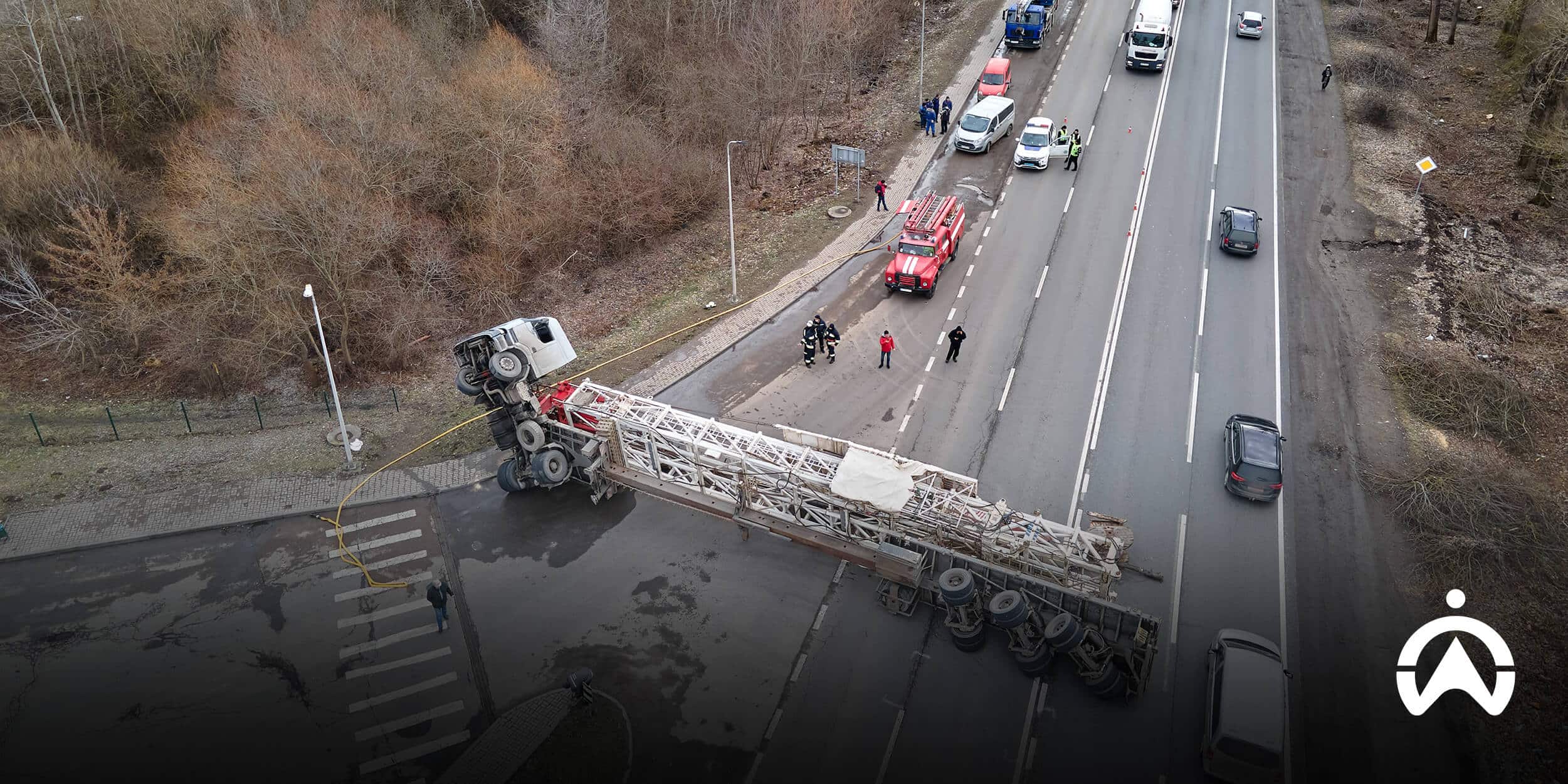
Telematics technology enables powerful accident reconstruction by capturing precise vehicle data before, during, and after an accident. Telematics systems consist of hardware such as GPS trackers, sensors, and cameras. These tools collectively revolutionize investigators, insurance companies, and legal teams, helping them reconstruct events and determine liability.
according to Arrive Alive Investigators will consider the following questions and factors when conducting more effective investigations at the scene:
- Human factorsThe impact of human behavior.
- Environmental factorsWeather, temperature, visibility, and overall environment.
- Mechanical factorsVehicle design, engineering, operation, and maintenance.
- Engineering factorsLayout of roads and buildings.
- Law enforcement factors: Are there any enforcement measures in place or are they lacking?
- Corporate factorsApplicable relevant policies and procedures.
- Influencing factorsHow the accident affects other factors.
- Forward-looking projectsPreventive measures that can be taken to avoid the recurrence of the accident.
Vehicle telematics technology By providing real-time data to help you reconstruct the timeline of the incident, we assist investigators and your business in the following ways:
Velocity and acceleration data
Telematics processing data can display changes in vehicle speed and pre-collision speed. This helps you, investigators, and other stakeholders determine whether speeding or sudden acceleration constitutes a collision. This is the main cause of the accident.
Sudden braking and sharp turning incidents
This technology can also point out Sudden braking or sharp turning before the accident. This information reveals whether the driver braked suddenly to avoid danger, cornered at excessive speed, or lost control of the vehicle. This data helps determine whether an accident was caused by defensive actions, driving errors, or loss of control, rather than external factors.
GPS location and route history
GPS technology Confirm the exact location of the accident. It displays the road and vehicle directions, giving you an understanding of the surrounding environment at the time of the accident. This information helps you determine whether the accident is related to road conditions, traffic trends, speed limits, intersections, and known danger zones.
In addition, route history in GPS data helps you and investigators verify whether the driver followed the planned route, or Intentionally driving on roads that are not permitted.
Time-stamped driving behavior
GPS GPS and cameras We provide a clear timeline of driving behavior before, during, and after an accident. This makes it easier to piece together the events in the correct order, as those involved in an accident may not be able to recall everything in the correct sequence.
- Vehicle health status or fault codes before and after the accident
Many accidents are caused by mechanical failure and lack of maintenance. Preventive maintenance techniques You can access the health data of the accident vehicle to see if there are any overlooked faulty parts and verify whether the vehicle skipped any recommended maintenance services..
The benefits of technology-driven accident reconstruction techniques for fleet operators include:
- Faster insurance claims
- Reduce liability disputes
- Improve driver training
- Improve security compliance
- Reduce operating and legal costs
These advantages work together to help you handle accidents with less stress, save costs, and provide you with stronger accident protection.
The following is a detailed description of each advantage:
Faster insurance claims
The longer the claim process takes, the higher the costs. Through... Remote information processing systems and camera technology, Your insurance company will quickly obtain all the information needed to assess liability. This reduces the insurance claim processing time from weeks to days.
Reduce liability disputes
Information from remote information processing devices and cameras clearly presented the course of the accident. This helps to quickly determine who is responsible, often leading to out-of-court settlements or the withdrawal of claims, thus helping you reduce lengthy legal disputes. Currently, there are still... Numerous false accident claims Remote information processing systems can also protect you from such situations.
Improve driver training
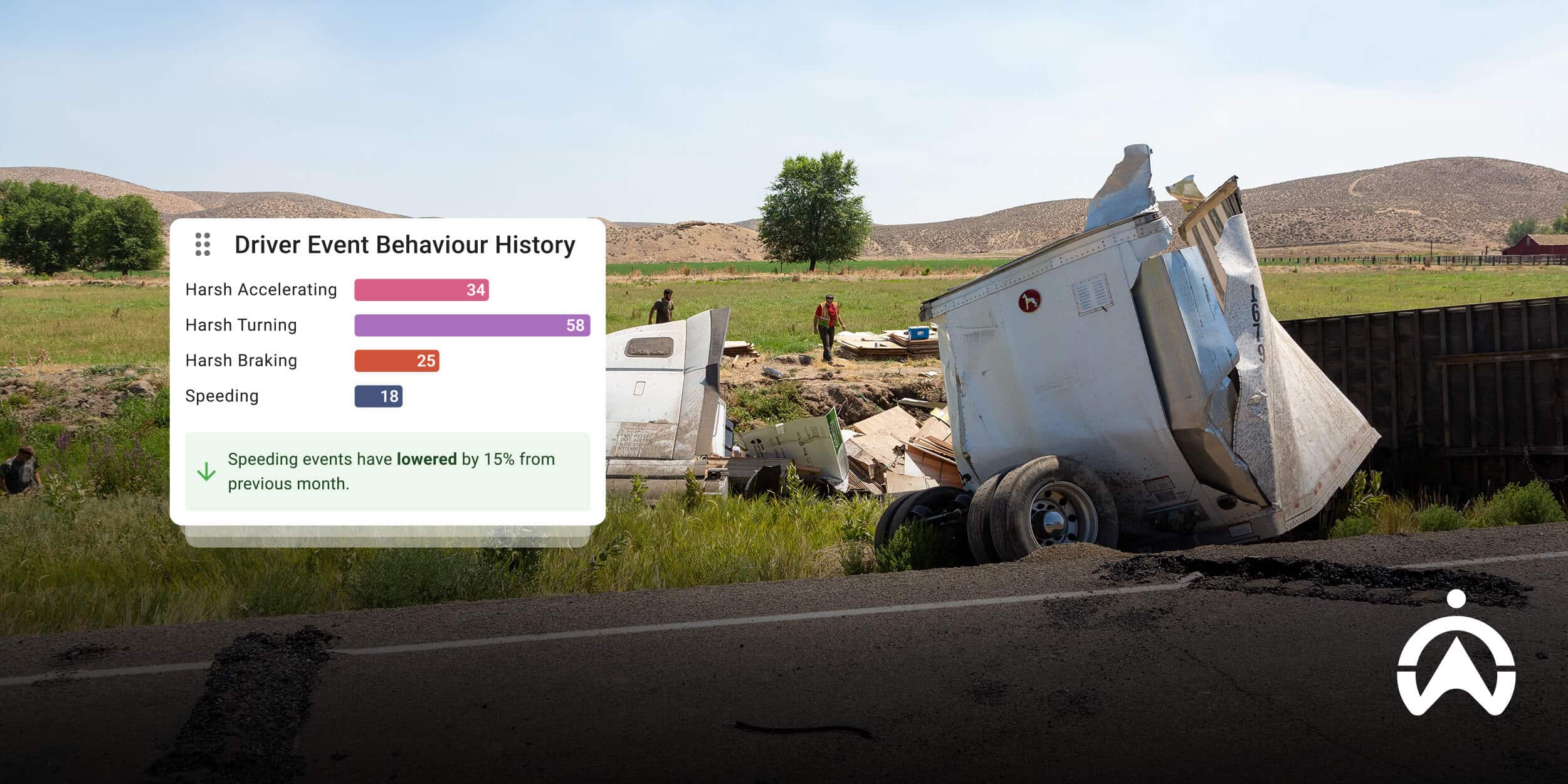
You will receive reports on driving habits such as speeding, sudden braking, and sharp turns. You will learn which habits are more prevalent, allowing you to provide... Targeted training and feedback. This also fosters a sense of responsibility among drivers, because they have no choice but to take full responsibility for their actions.
Improve security compliance
Using technology protects your business from accidents while ensuring your team adheres to road safety rules and your business meets fleet standards. This ensures that drivers and managers always follow policies and procedures. Ensure compliance.
Reduce operating and legal costs
Fewer claims, fewer disputes, and Improved driving behavior This reduces legal costs. It allows repairs to be completed faster and vehicle downtime to be shorter. It also lowers insurance rates because insurance companies will see your good driving behavior and view your business as a low-risk option.
The Importance of Real-Time Collision Alerts
Instant collision alerts are also crucial for your fleet, as they ensure your driver receives assistance more quickly. This is also achieved through telematics and sensors. Collision detection technology It instantly identifies sudden impacts and immediately sends notifications to you and the control center, enabling emergency services to reach the scene immediately.
This technology also provides you with more information about the severity of the impact, adding to the evidence needed for accident reconstruction.
How Cartrack helps you reconstruct accidents
Cartrack helps you reconstruct accidents by providing hazard alerts, AI-powered cameras, driver training and reporting, GPS trackers, and collision detection technology. With us, you can use all these tools on a single platform, accessible via desktop or mobile. Our cloud system ensures all evidence is stored, even if tools are damaged in the accident.
The following is a detailed description of the services we provide:
Dangerous event alert
Through our telematics system, you can set alerts for dangerous driving habits such as sudden braking, excessive acceleration, speeding, and sharp turns. This helps you... Understanding daily driving behavior Understanding everyday driving behaviors will help address your concerns. In the event of any accident, you will have sufficient evidence to understand the actions that led to the accident, making it easier to determine liability.
AI camera
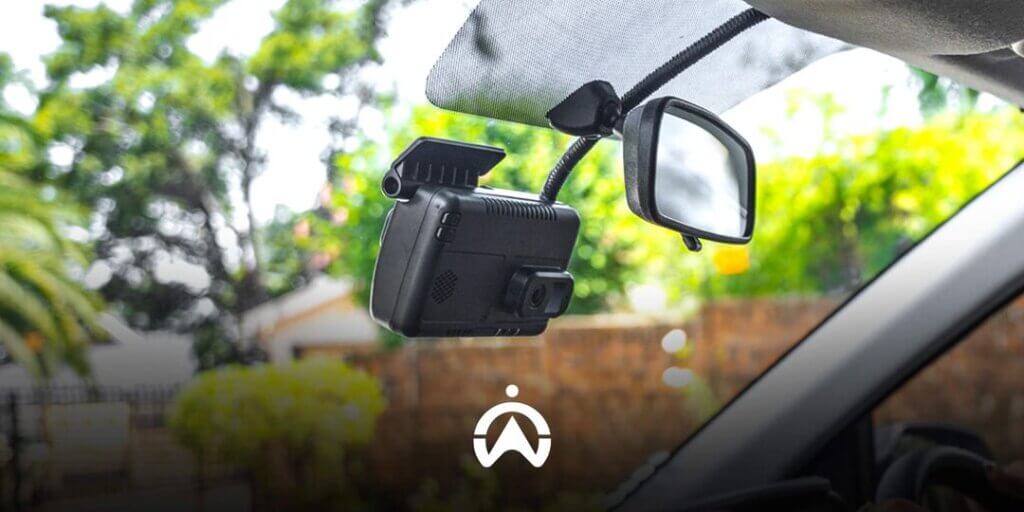
At Cartrack, we have AI-powered fleet dashcams These cameras help improve driver focus. They can detect distracted driving behaviors such as using a phone, eating, or taking your eyes off the road. They then send an immediate audible alert to the driver to bring their attention back to the road. The cameras can also identify blind spots and provide forward collision warnings. This reduces the probability of accidents, giving you a safer driving experience.
If your driving involves an accident, these AI-powered dashcams will show you the exact situation inside and outside your vehicle, and you'll receive reports of all camera alerts from that day. This again helps expedite your claims and legal processes.
GPS real-time tracking
Through our GPS tracker You will be able to know the vehicle's location at any time and access route history, which is of great value in the accident reconstruction process.
Collision detection
We have Advanced collision detection solutions You can add this to your service package to ensure you get the assistance you need faster while driving than without this feature. In the event of a driving accident, control room personnel will receive an immediate alert, then notify you and dispatch assistance. Because we can access vehicle location data, emergency services will arrive at the scene much faster.
Training
Through our remote information processing and camera event reporting, you can obtain Our driver training solutions This platform helps you train drivers to develop better driving habits. It displays all events for each driver and the number of times each action is repeated. You can then schedule personalized training sessions for drivers, specifically targeting the areas they need to improve.
Our training platform allows trainers to record the discussions and results of these lessons so that the next trainer can understand what was discussed with the driver and whether improvements were made.
Driving scorecard
Ensuring accidents don't happen starts with encouraging your driving in other ways. Our Driving scorecard system It's another way to motivate driving; it scores each driver based on their habits, allowing you to reward good drivers through recognition and incentives.
Cartrack's intelligent solutions provide a comprehensive understanding of the ins and outs of each accident.
CarTrack's intelligent solutions ensure you have a complete understanding of every incident, leading to a safer fleet. Our telematics systems provide faster, smarter, and more reliable incident reconstruction. Invest in our incident reconstruction tools for long-term safety and protection. Contact us now!
FAQ's
Q: How exactly does telematics technology work?
A: Telematics technology operates by collecting various data from the vehicle, giving you all the information you need to track vehicle maintenance, fuel consumption, and driving behavior. A telematics system consists of the following components:
- Remote Information Processing Control Unit (TCU): The hardware responsible for collecting data.
- Cloud server: processes and stores data from TCU.
- End-user applications: Software platforms that display data to you.
Q: Which type of sensor is used to detect accidents?
A: The primary sensor used for accident detection is the accelerometer, which identifies sudden impacts and changes in motion. Other sensors used for accident detection include gyroscopes (to distinguish between normal turns and sharp turns) and pressure sensors (to detect side impacts).
Q: What is the difference between telematics technology and vehicle tracking?
A: Yes, telematics is different from vehicle tracking. Vehicle tracking primarily focuses on location data, while telematics is only one part of a system. Telematics combines location data with detailed information about vehicle health, driving habits, and fuel consumption. Through telematics, you can obtain valuable information that helps improve fleet safety and efficiency.