 EN
EN  ZH
ZH What is fleet management in e-commerce?
We live in an era where almost any product can be purchased online anytime, anywhere. This is largely thanks to the rapid development of the internet.
This situation compels companies to adopt robust fleet and delivery management software to manage the resulting complex delivery logistics.
Let's explore e-commerce fleet management together, and why. Cartrack is the best partner for this job..
In this article, you will:
- Understanding why the demand for e-commerce logistics management is constantly increasing.
- Understanding the challenges faced by e-commerce companies in fleet management
- Learn why fleet management is ideal for the e-commerce industry
- Understand why Cartrack The most suitable operating model for e-commerce
The demand for efficient fleet management continues to grow in e-commerce.
Online shopping has had a profound impact on delivery operations. This convenience is made possible by efficient and timely delivery, which is an indispensable core element for any e-commerce business.
Fleet management helps businesses streamline the process from order placement to last-mile delivery by providing a range of solutions. This includes driver management, route planning, time management, and integrated delivery verification. Through these measures, e-commerce businesses can achieve smooth goods flow and worry-free operations.
Here are some key points regarding the continued growth in e-commerce logistics demand:
- This shopping model has achieved significant success in cross-border sales and delivery. According to Yahoo Finance,Hong Kong's online market demonstrates a high internet penetration rate and a stable growth trend, with the market size expected to exceed US$30.5 billion by 2027.
- Mobile commerce continues to grow in Hong Kong, with four out of ten online consumers shopping via mobile devices in the past three months.
- This shopping method sets higher expectations for consumers, especially regarding delivery time and return and refund policies.
- Consumer behavior and customer expectations are constantly evolving, with new trends emerging every year.
- To remain successful and competitive in the market, e-commerce companies must continuously monitor changes in these behaviors and expectations and make corresponding adjustments.

Challenges of E-commerce Fleet Management
E-commerce companies face numerous logistical challenges.Most of them are concentrated in the last segment of delivery.Effective order and delivery managementA robust fleet management system is needed.This is to help mitigate various obstacles that may arise during the delivery process.
As more and more consumers choose to shop online, e-commerce companies are facing increasing challenges, including issues such as delivery instructions, customs fees, and shipping disputes.
The following section will delve deeper into some of the key challenges that e-commerce businesses may face.
Delivery delay
Delivery is the backbone of e-commerce businesses and a crucial factor supporting the successful operation of this business model. Therefore, delivery delays pose the greatest threat to e-commerce companies.
These delays are usually caused by poor route planning or traffic congestion. Such inefficiencies disrupt the overall workflow.This triggered a chain reaction of delays.Insufficient fleet visibility has a significant impact on delivery times, including:
- Some merchants are unable to track the actual whereabouts of their products after they have been shipped.
- They cannot track the location of the goods during transit, or even confirm whether they have been successfully delivered.
- When delays occur, merchants are unable to provide customers with any delivery status information, ultimately leading to customer complaints and a decline in trust.
Rising fuel costs and driver wages
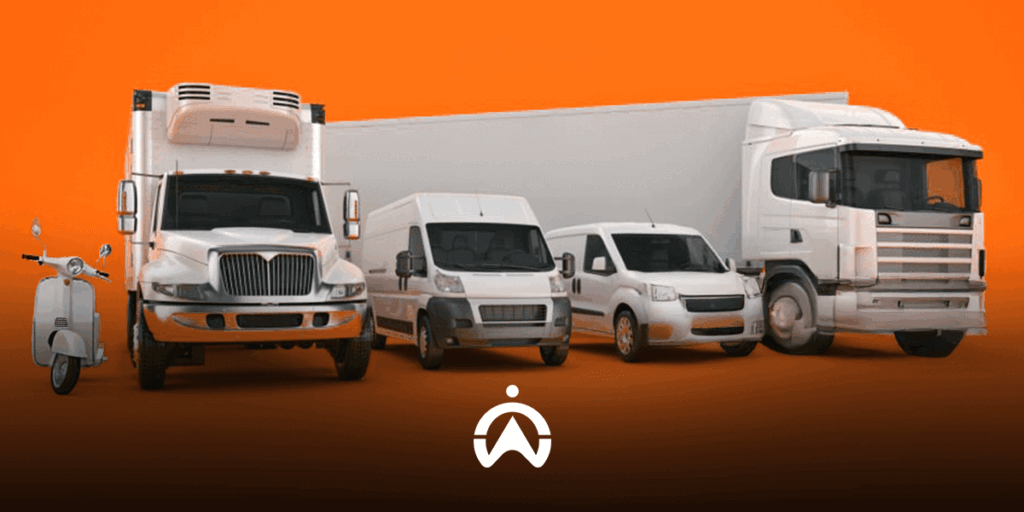
Some e-commerce companies own dedicated delivery vehicles, which may include motorcycles, private cars, vans, and even large container trucks. Regardless of fleet size, fuel cost management requires rigorous financial control and accurate data reporting.
- Fuel costs are typically influenced by a variety of factors, including fuel price fluctuations, inefficient route planning, and vehicle idling. These factors combine...This has driven up fuel costs for e-commerce logistics.Many companies still use paper-based systems and fuel cards to monitor fuel consumption and costs, lacking an efficient digital management system, which makes fuel management more difficult.
- Another significant factor affecting operating costs is driver compensation. When drivers' workloads are unevenly distributed, companies may still have to pay their full salaries even when delivery volume is insufficient; conversely, if there is a shortage of drivers, additional drivers must be hired temporarily to meet demand, ultimately increasing long-term operating costs.
Security risks and theft issues
For businesses involved in delivery operations, the safety of vehicles and goods is a significant challenge. Here are some points to consider:
- Theft usually depends on the type of goods being delivered, with high-value items such as jewelry and high-tech electronics often being the primary targets.
- Whether it's long-distance or local delivery, the risk of theft exists, posing a threat to the entire e-commerce industry.
- These incidents not only affect customer satisfaction but also lead to increased insurance costs for vehicles and cargo.
- Businesses not only have to bear the losses from stolen goods, but also need to rearrange deliveries, further increasing operating costs.
- In the long run, proactive safety solutions are the best option. However, most companies still rely primarily on drivers to make their own judgments and avoid related risks, often lacking sufficient system support.
- For companies that outsource delivery, they often assume that the service provider will handle all safety issues properly, but in reality, not all delivery companies have a complete safety system and operating procedures.

Why should e-commerce companies implement a fleet management system?
Most challenges can be addressed through comprehensive e-commerce.Fleet management system effectively solvesIt helps businesses manage delivery, maintenance, and operational efficiency simultaneously.
GPS tracking improves delivery efficiency
- Track delivery progress in real time
- Route optimization improves on-time performance.
- Improve overall operational transparency
Fleet safety and driver protection
- Real-time locationVehicles and goods
- AI driving cameraMonitoring driving behavior
- Vehicle recovery solutionReduce financial risk
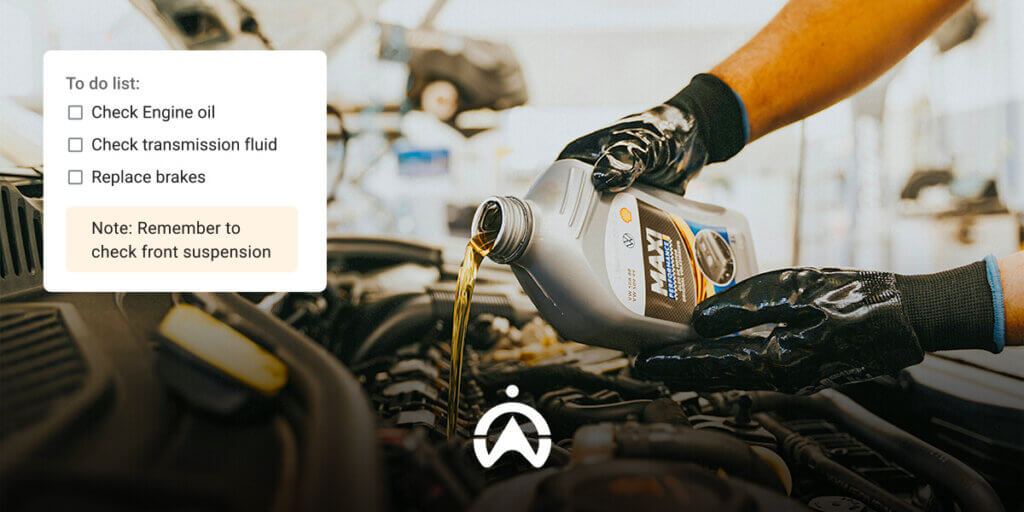
Reduce maintenance costs
- Predictive maintenance reminders
- Reduce major repairs and vehicle downtime
Why choose Cartrack?
Cartrack isA leading brand in fleet managementIts MiFleet system is specifically designed for e-commerce operations. Key features include:
- immediate GPS tracking
- artificial intelligence Smart Routeplanning
- Driving behavior monitoring
- Fuel Management
- Multiple angles AI camera
- Cartrack Delivery delivery management module (including signature and photo verification)
For more information, please feel free to contact us.contact usSchedule a demonstration and request a quote.